- experience
- engage
- enjoy
Bringing Back the Moorland Bird Survey in Fife’s Lomond Hills
Publish Date: Wednesday December 3, 2025
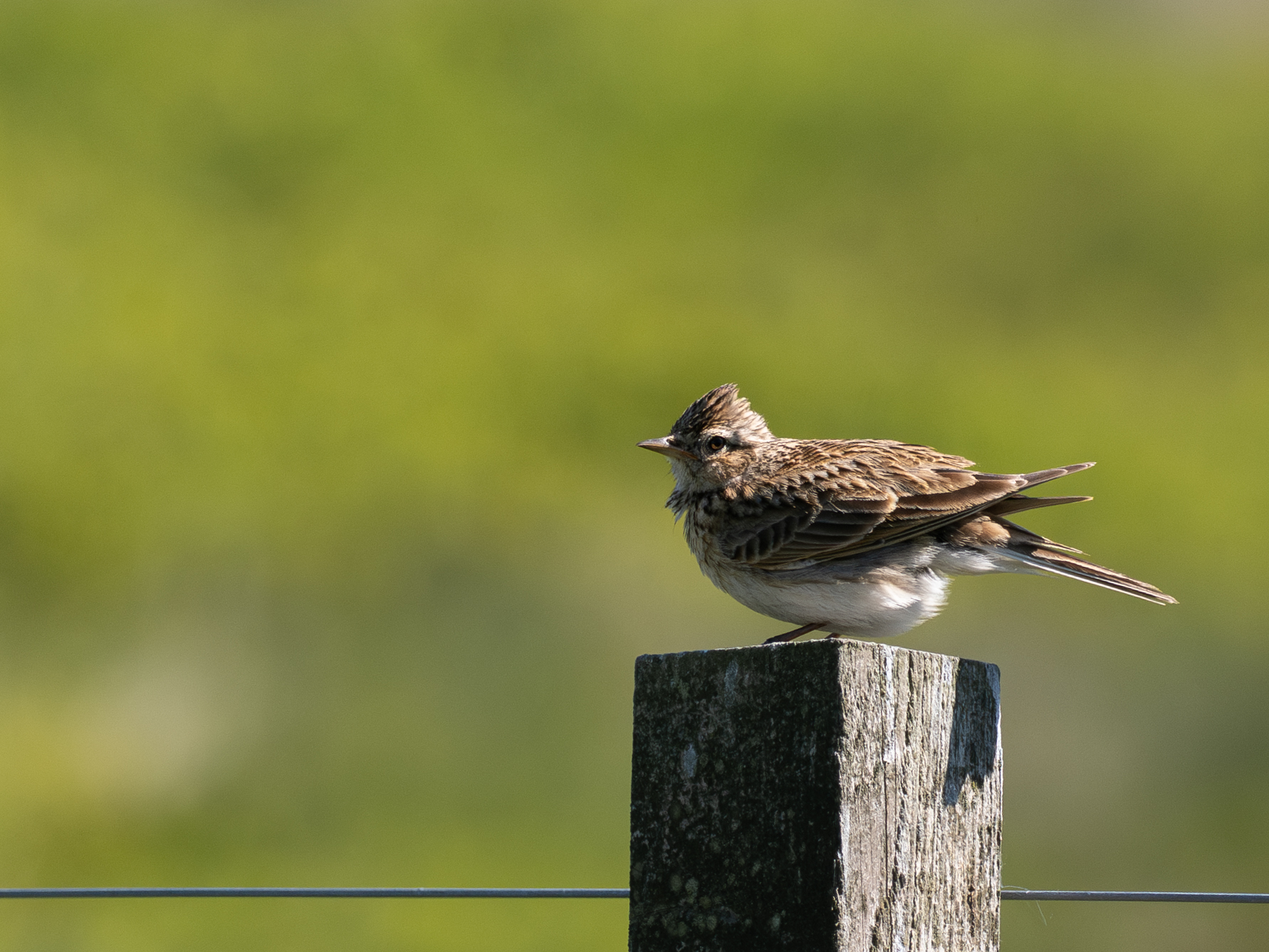
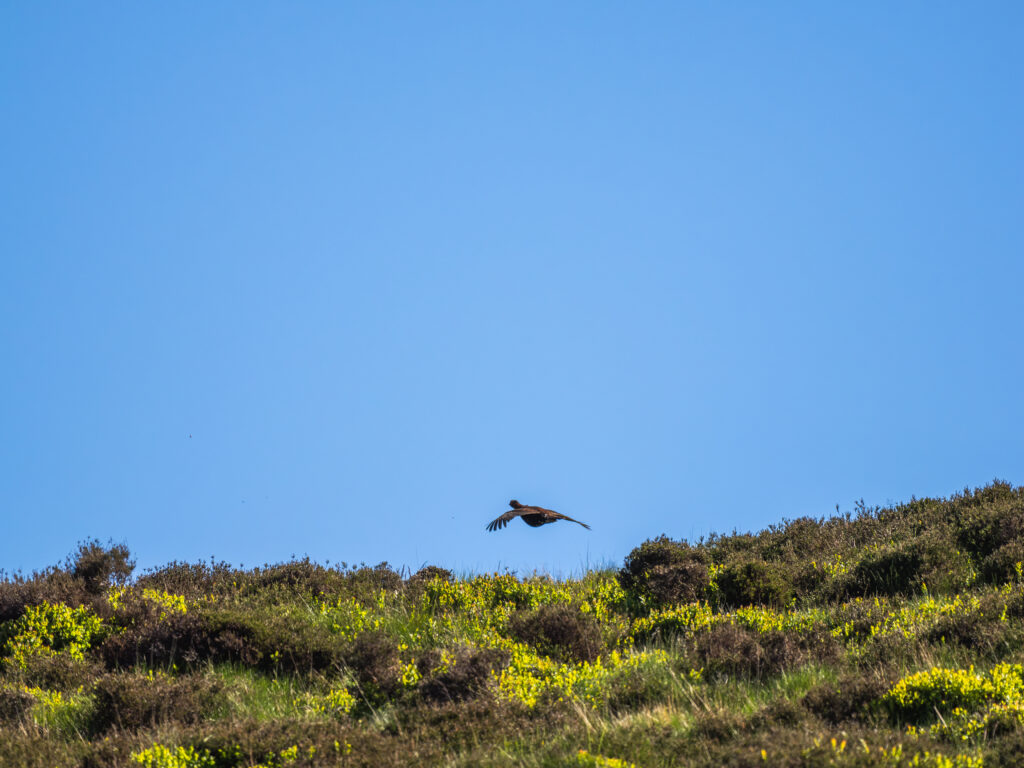
Fife’s Lomond Hills are more than just stunning landscapes—they’re home to some of Scotland’s most iconic moorland birds. In 2025, our Conservation Team, with the help of some dedicated volunteers, brought back an important project: the Moorland Bird Survey in the Lomond Hills Regional Park.
A Survey with History
The survey was originally carried out by Fife Council Ranger Service between 1998 and 2007. By reintroducing the survey using the same tried-and-tested method, we can compare today’s results with historical data and national trends. This helps us understand how the Regional Park’s wildlife is changing over time.
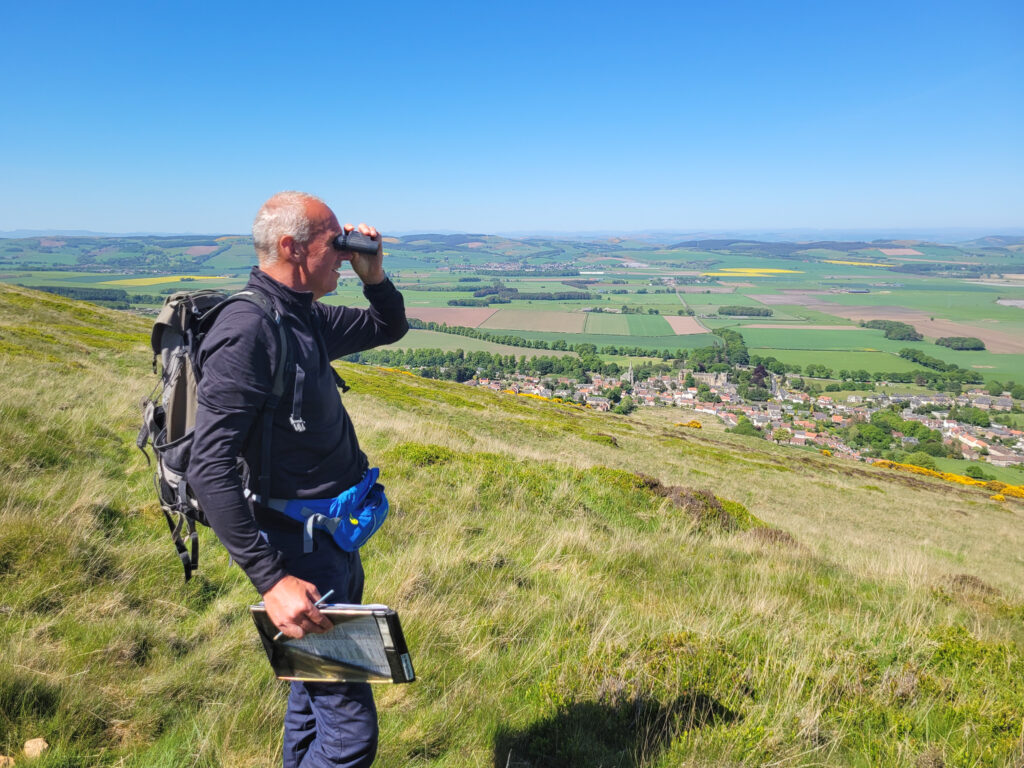
What Are We Looking For?
The survey focuses on the following iconic moorland species, which are an indicator of the upland ecosystem’s health:
- Red grouse
- Lapwing
- Curlew
- Redshank
- Skylark
- Stonechat
- Snipe
- Wheatear
- Whinchat
- All raptor species and owls.
These birds are indicators of ecosystem health. By mapping where these birds are seen and how they behave, we can estimate breeding populations for each species and where they live in the park. Repeating the survey every year will help us spot trends—both short-term changes and long-term shifts compared to past data and national patterns.
How Does It Work?
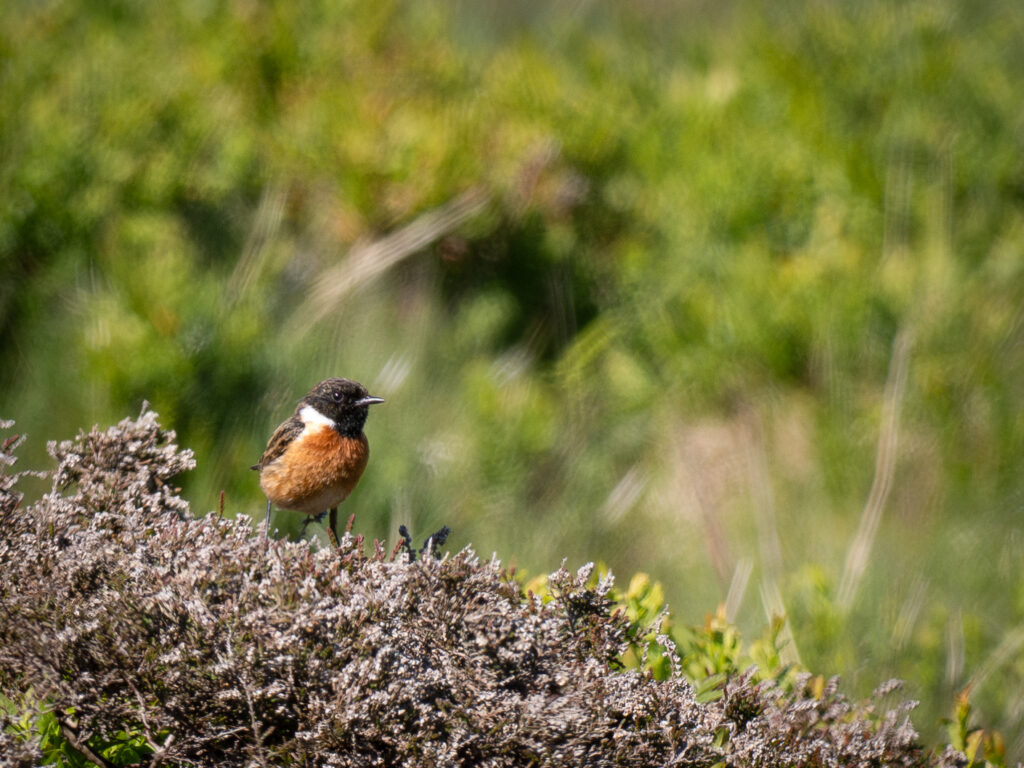
Two visits were made this year, one in May during the early part of the bird breeding season, and one in July during the late breeding season.
The survey area covers 8.55 km² of the Lomond Hills, from Glenvale in the west to Purin Hill in the east. Five survey teams walked their allocated sections, pausing, scanning, and listening carefully and mapped bird sightings and behaviours. By maintaining a pace of 20 -25 minutes per quarter kilometre squared, the surveyors ensured equal coverage across the park and accurate estimates of breeding bird populations.
Why It Matters
This work helps us to protect Fife’s nature and deepens our understanding of the unique wildlife that makes the Lomond Hills Regional Park so special. Moorland birds are indicators of ecosystem health. Tracking their numbers helps us understand how climate change, land use, and conservation efforts are shaping Fife’s uplands. By repeating the survey annually, FCCT can track year-to-year changes and long-term trends. Knowing what birds we have and where they live can help FCCT and landowners target our management efforts. The data can also be used to support funding bids for future conservation projects.
What Did We Find Out?
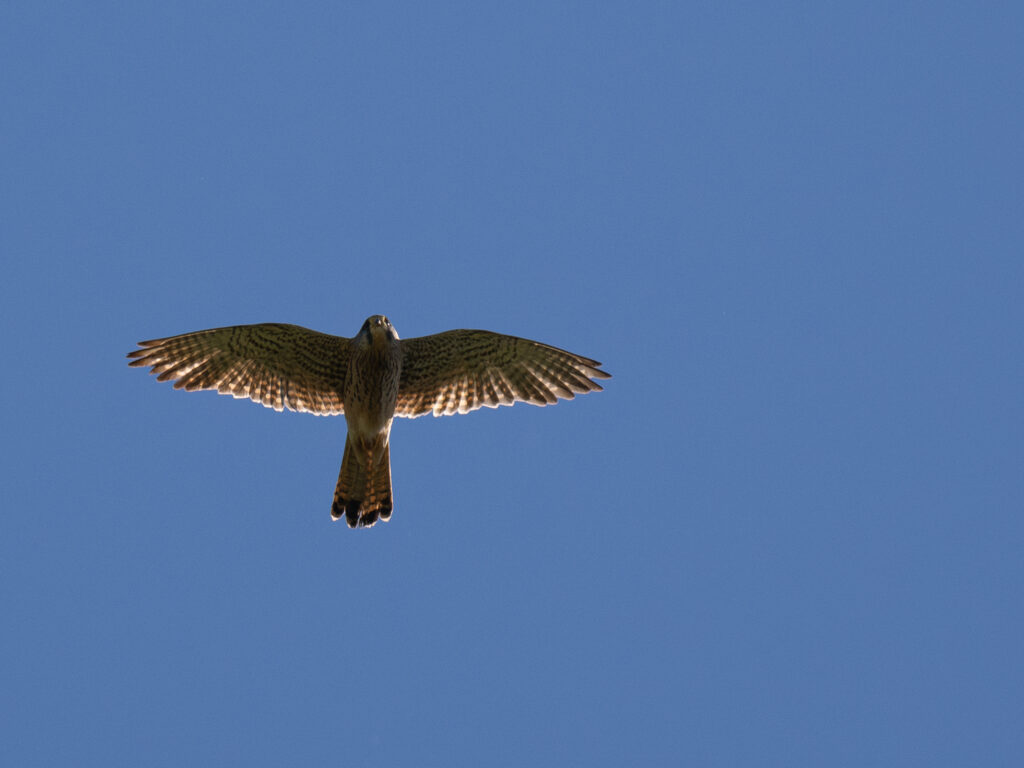
From our data, we can see that there have been slight changes in the population of upland species of the Lomond Hills Regional Park. Several species show a decrease in population, including curlew, redshank, snipe and whinchat. This decrease is in line with national trends for these species.
Populations of birds of prey on the Regional Park generally hold steady since the survey was first done in1998.
The only species in the survey that showed a significant increase was stonechat. This has also been observed across Scotland, as the species moves northward and to higher altitudes in response to changing climate and land use.
All species would benefit from active habitat management, such as introduction of mowing regimes or grazing and creation of wetland areas or “scrapes” for waders. All species would benefit from protection from disturbance during the nesting season.
Thank you
A huge thankyou to the volunteers who gave their time to make this survey a success, and also for allowing us to use your wonderful photos in this blog!
Want to get involved?
FCCT offer volunteer opportunities throughout the year, including joining this survey next year. Your help could make a real difference in protecting Fife’s wildlife for future generations. To find out more, email [email protected] or call 01592 656080
Recent Blog Posts
Learning About Nature Has Made Me Way More Excited to be Outdoors
Wednesday December 17, 2025
Oysters are our world in Firth of Forth marine restoration project
Friday August 1, 2025
Restoring Our Relationship with the Natural World
Tuesday February 25, 2025
