- experience
- engage
- enjoy
Funding milestone reached for Rosyth’s ‘struggling’ river habitats
Publish Date: Thursday March 12, 2026
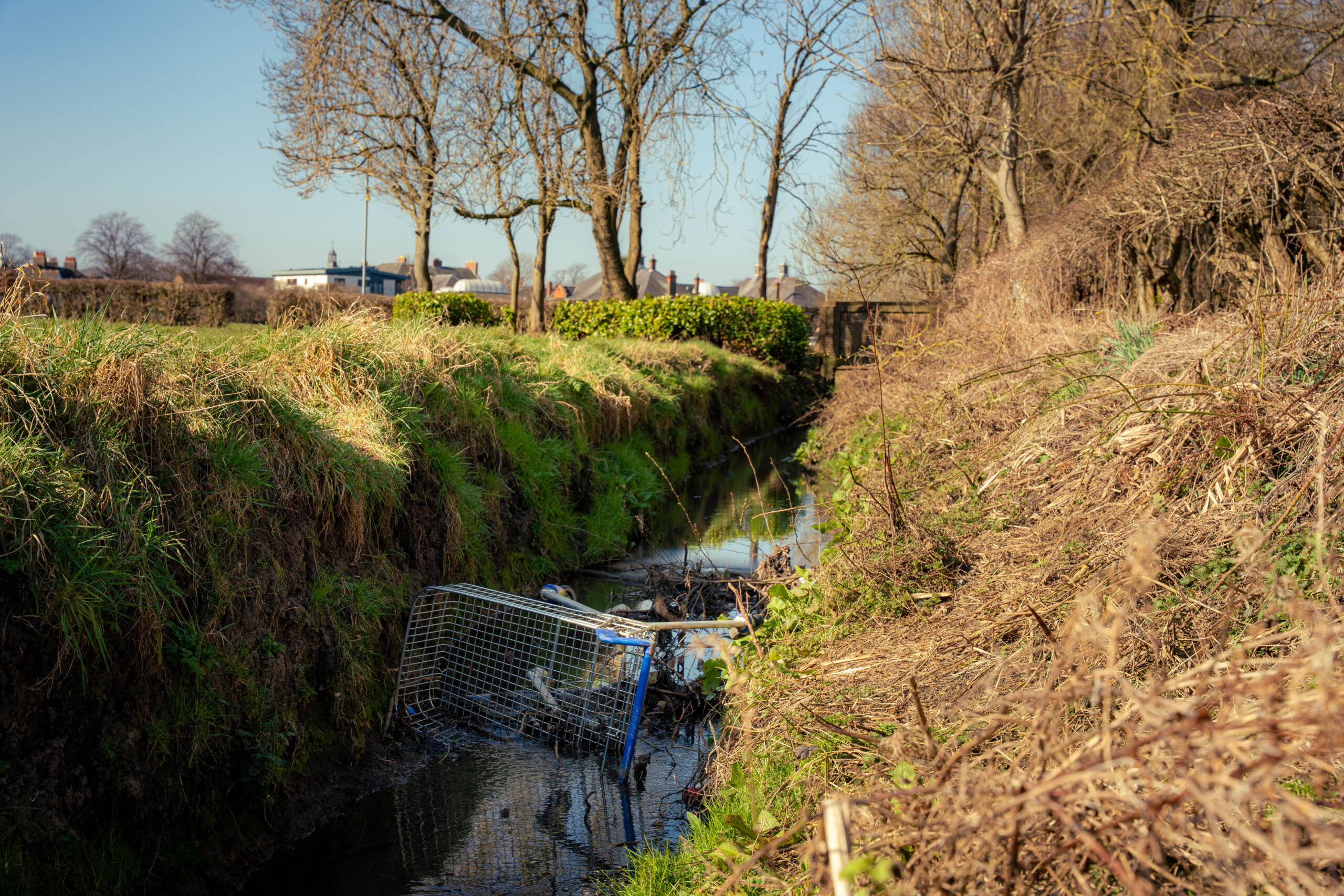
The Rosyth River Restoration project has secured funding for its next three phases, offering ‘huge potential’ for local ecology and community benefits.
SEPA’s Water Environment Fund has committed £270,000, and Fife Council has allocated £50,000 from the Nature Restoration Fund.
The project aims to restore two degraded watercourses, the Whinny and Brankholm Burns, to support wildlife, climate resilience and community wellbeing.
Last year a feasibility study identified significant opportunities for restoring the burns’ freshwater habitats in several areas of the town, including in Rosyth Public Park. This total £320,000 funding will support the project through its entire design phase, including concept, and developing technical designs.
Belief
The project is set to appoint a design consultant this summer, and the full three phases of design work are expected to take two to three years.
SEPA River Restoration Specialist Lynda Gairns said: “SEPA and Fife Council’s funding commitments demonstrate strong belief in this project and its ability to deliver benefits for both habitats and communities.
“We’ve seen amazing outcomes from similar restoration in Fife such as at the River Leven and Back Burn, and the Rosyth project has huge potential as well.”
Prior to human settlement, Rosyth was a floodplain with slow flowing burns and wetland habitat. Over time, humans converted the area for agriculture. Eventually the dockyard and township were built, resulting in the watercourses being artificially straightened, constrained, culverted and modified.
Potential
As a result, the rivers and wetland habitats’ capacity to hold water and support wildlife has been reduced. Today, the Whinny and Brankholm Burns’ ecological potential is significantly degraded, but the community are keen to do something about it.
Project managers at Fife Coast and Countryside Trust (FCCT) have been exploring and discussing ideas with the community. FCCT’s River Restoration Project Manager, Maddie Deacon, explained: “These rivers are struggling, but local people have a strong connection to their environment and their identity as Scotland’s only Garden City. So, community support for this project, and for wider restoration work, has been outstanding so far.
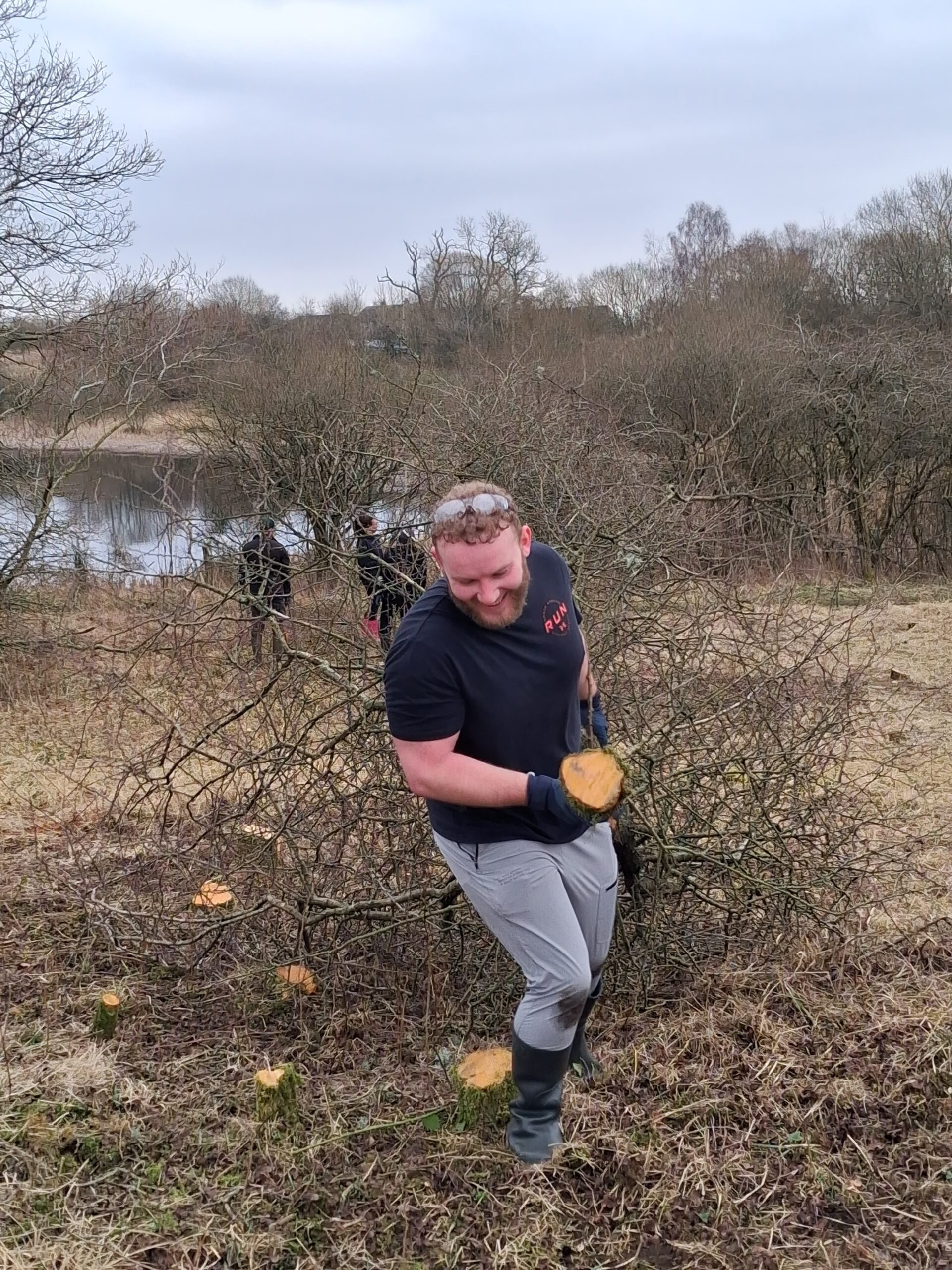
“We’ve had bird and bat boxes built by the EASYP Camdean, Rosyth Girl Guides and the Men’s Shed. Several community litter picks have happened along the burns and EATS Rosyth have been leading tree planting. We’re excited to see what more can be done for these rivers with the community’s support.”
Greenspace
Some of the restoration options at the Whinny and Brankholm Burns include re-meandering artificially straightened sections, grading the steep banksides, improving riparian habitat, creating seasonal ponds and wetland areas, and improving the path network and accessibility so that people can better enjoy the rivers as part of their greenspace.
Such changes can bring a wide range of benefits: better habitat for species biodiversity (fish, mammals, invertebrates, birds and amphibians); and improved water quality and potentially improved climate resilience.
Recent News
Back Burn river restoration celebrates completion with recognition in prestigious nature awards
Friday September 11, 2026

Investment points to signage improvements on Fife Coastal Path
Wednesday September 9, 2026
Global company’s donation helps maintain Fife Coastal Path
Wednesday August 26, 2026