Back Burn Restoration Project
The Back Burn has seen many changes over time due to its industrial heritage. Such changes have unfortunately impacted the health of the burn and surrounding environment. Historical modifications include artificial bed and bank protection, channel straightening and a series of weirs that pose barriers to fish migration. Many benefits can be derived from restoring watercourses to a more natural condition. Restoration helps to:
- Provide a more natural space for local people to enjoy
- Improve local resilience to climate change
- Support biodiversity including brown trout, otter, heron and more
- Allow fish passage by removing barriers
- Reduce flood risk, for instance through natural flood management
- Gain space for nature in a more urban environment
The works focus on improvements at Coul Den (in 2025) and Balbirnie Park (in 2026). This project page focuses on the works at Balbirnie Park.
Where is the project happening?
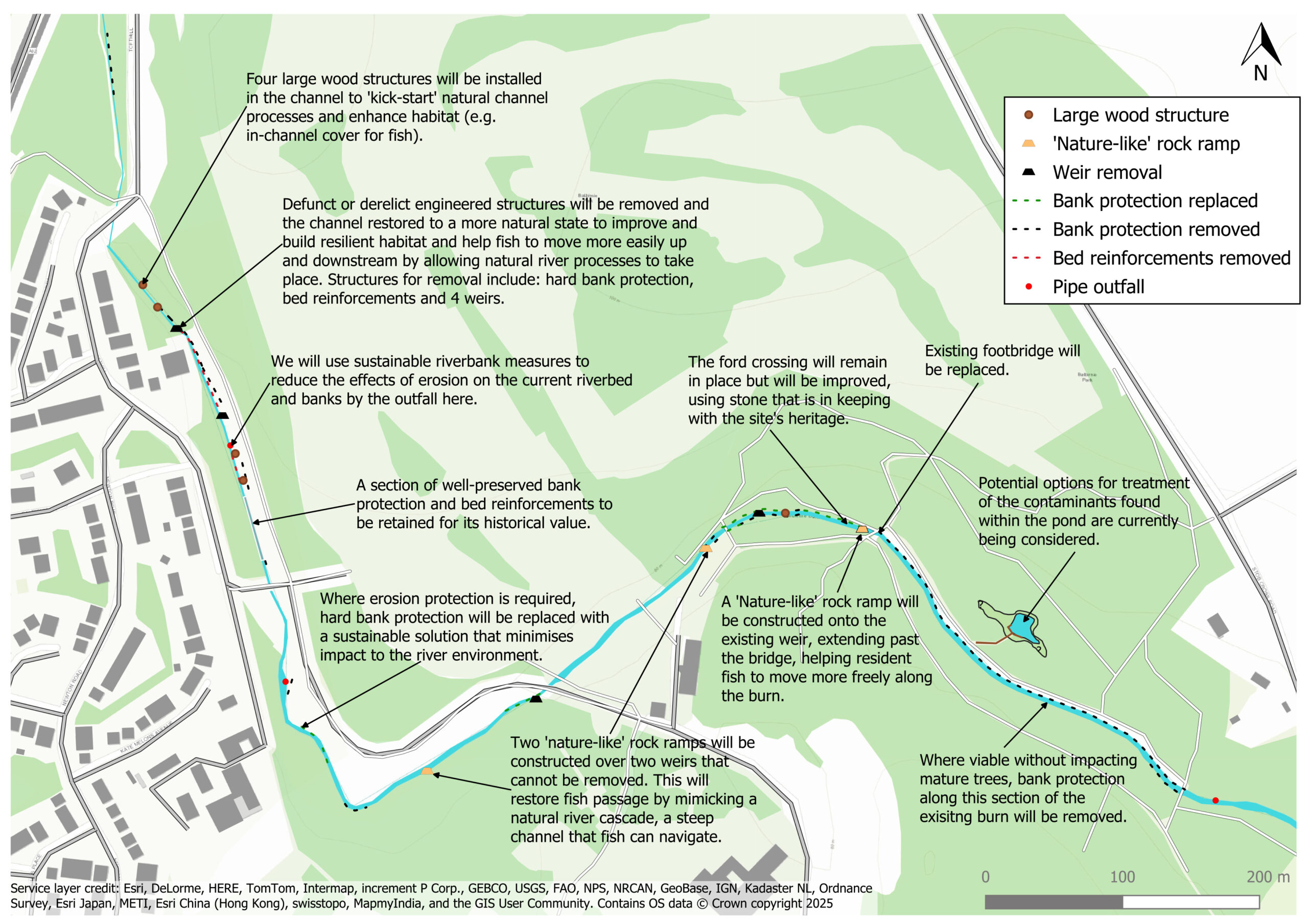
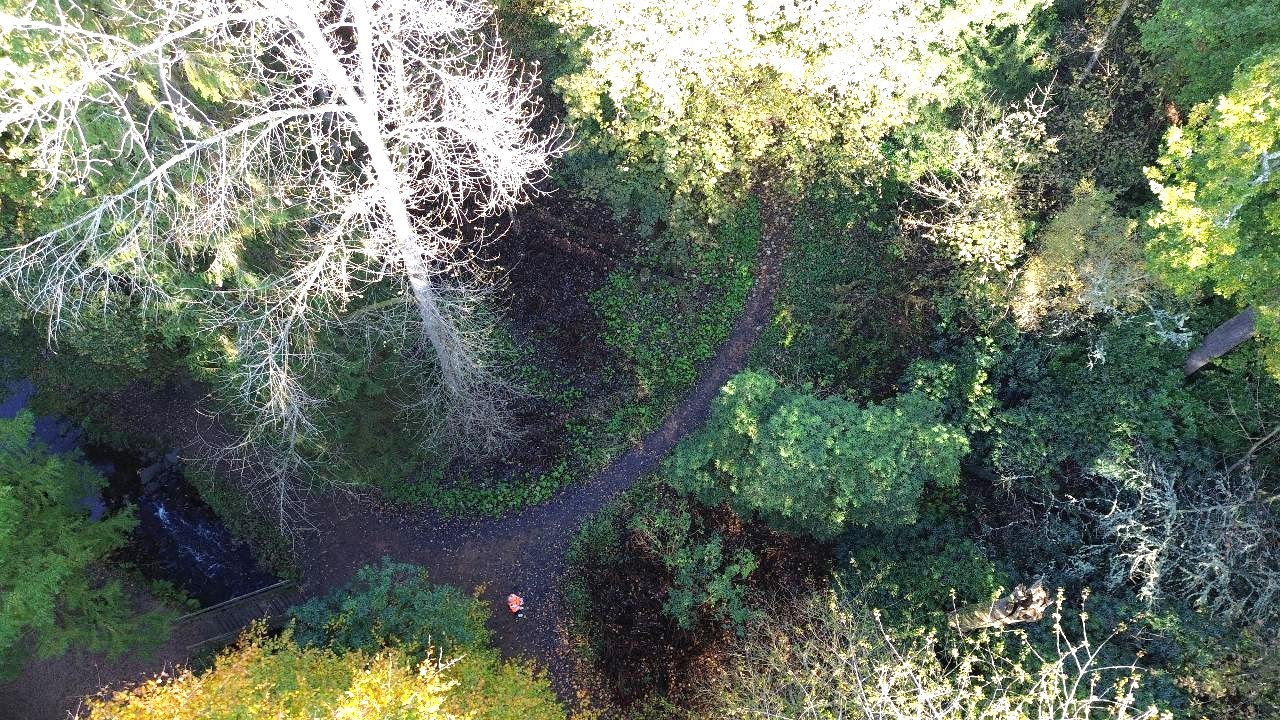
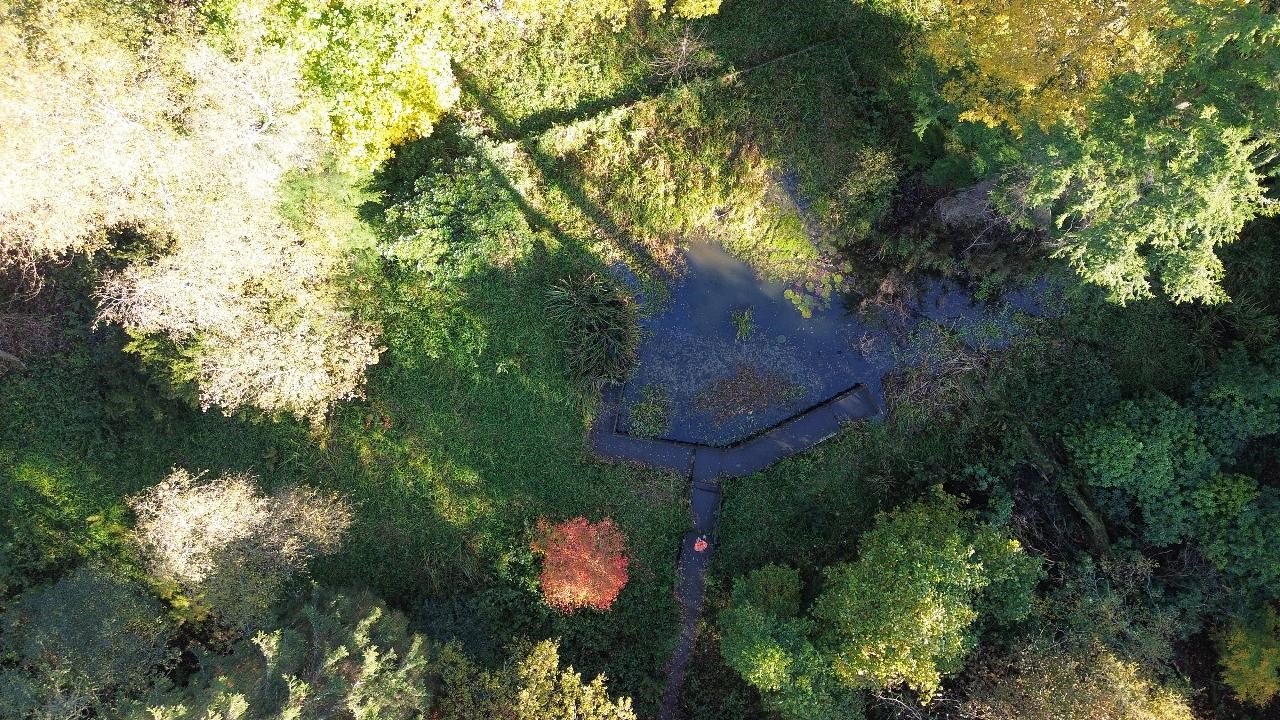
At Balbirnie Park, river restoration works are planned at a number of locations along the burn: These include:
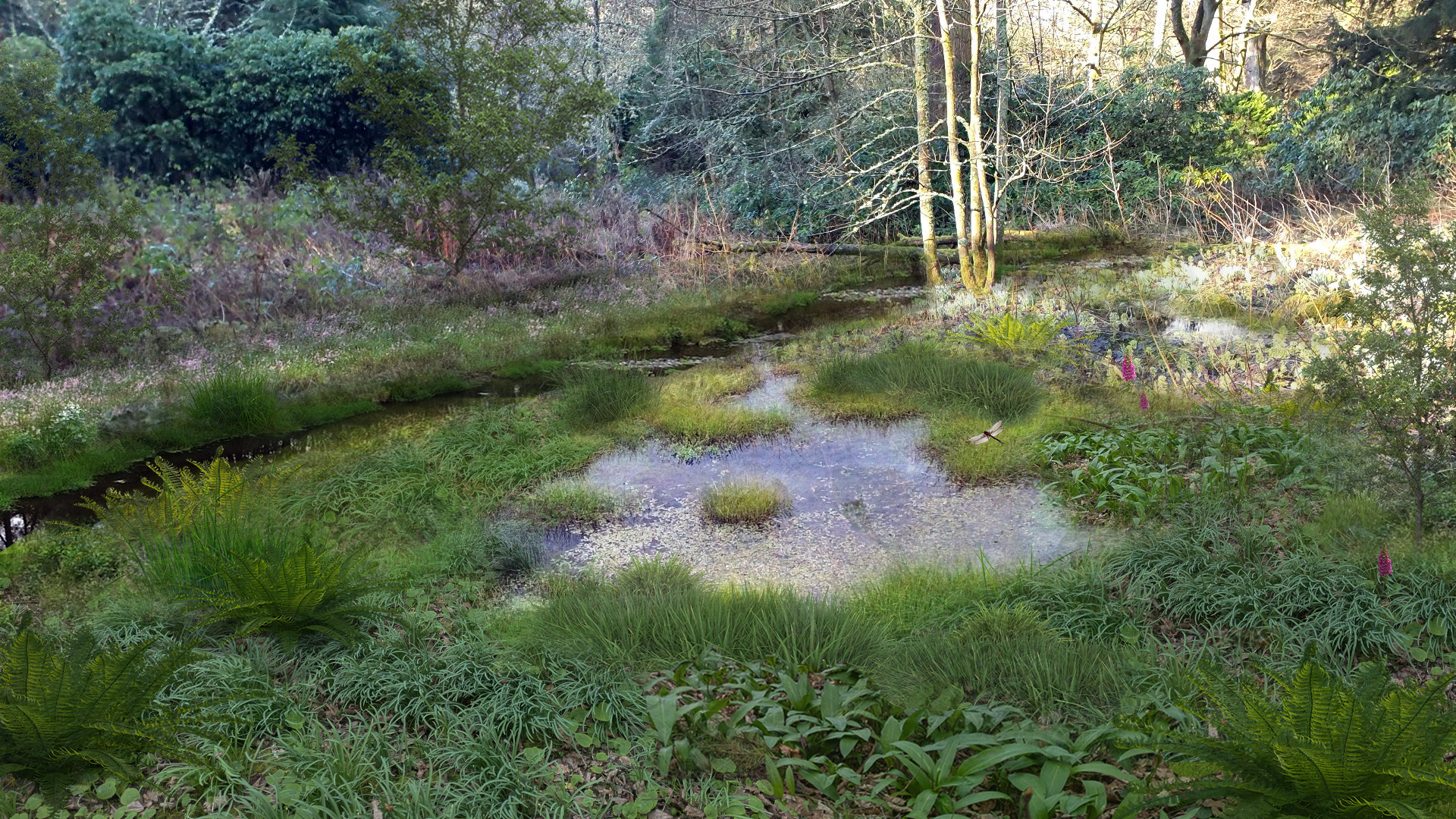
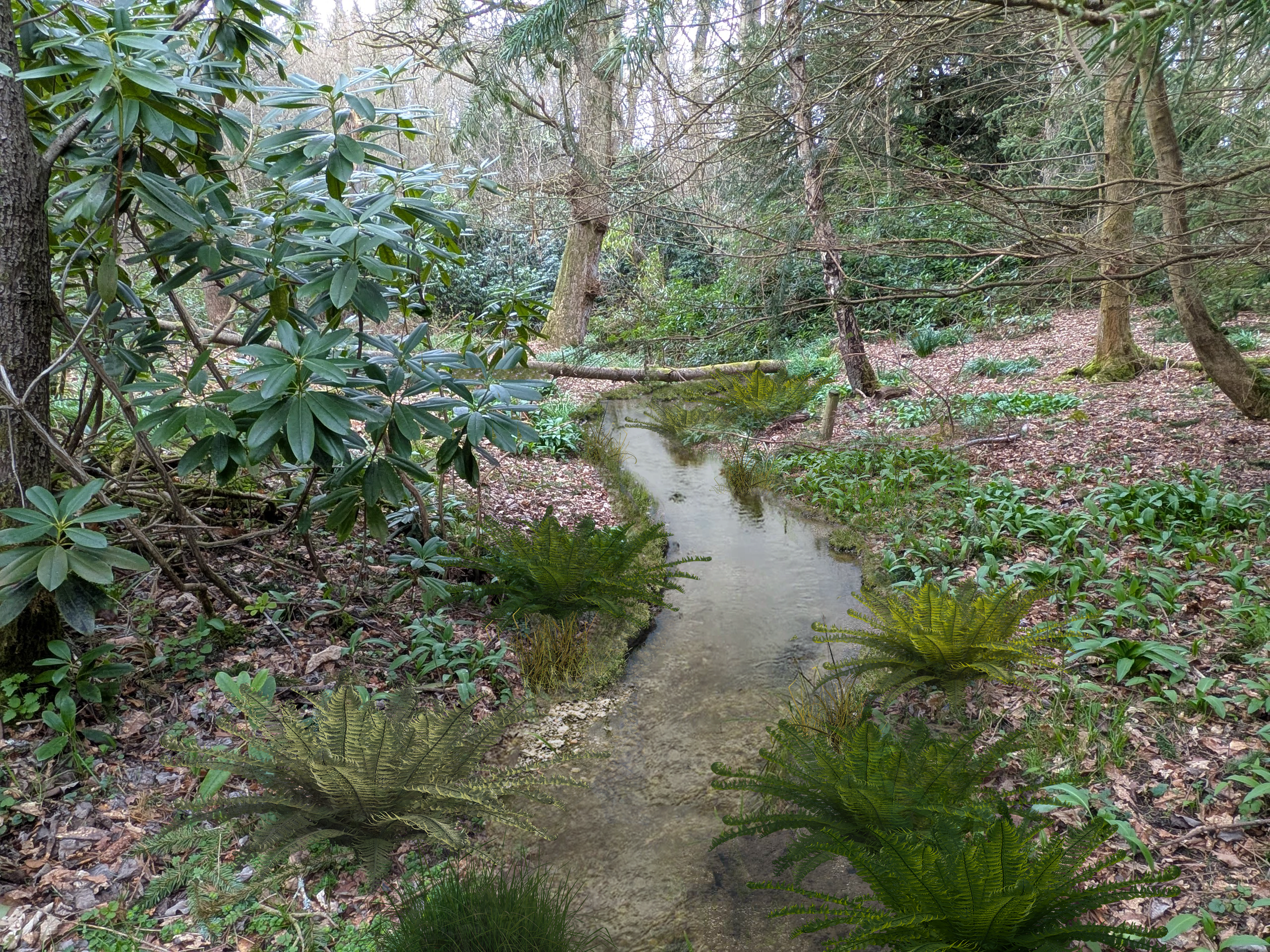
- Construction of ‘nature-like’ rock ramps at barriers that cannot be fully removed (i.e. weirs and steep artificial channels) in the channel to mimic natural channel conditions and enable fish to move up and downstream more easily
- Where bank protection is no longer necessary, removal of sections of stone and gabion (wire baskets with stones) bank protection to restore river banks and allow the river to function more naturally where possible
- Where bank protection is still needed, replacement of stone and gabion baskets with more sustainable bank protection solutions that provide long-term erosion protection while minimising impacts to biodiversity
- Installation of ‘large wood’ structures (large pieces of natural wood like tree trunks) in the channel to mimic the natural presence of wood in rivers, improving the habitat within the burn
See map below for the proposed works at Balbirnie Park.
Why is improving fish passage through the burn important?
The Back Burn is home to a population of native brown trout as well as other fish species, but the extent of the habitat they can move through is limited by man-made structures in the channel. The weirs in Balbirnie Park have been identified by ecologists as a barrier to trout migration, and therefore limit the amount of food available to them and gravels for spawning. Removing these barriers and restoring the burn will allow more fish to access a greater area of habitat, supporting their populations and increasing their resilience to future climate impacts.
What other benefits are there?
Nature
The changes will benefit the local fish population as well as other wildlife that rely on them along the Back Burn. There are records of kingfisher and otter recorded nearby, so these changes would improve food sources and habitat for these species and attract them to the area.
Community
This project provides an opportunity to bring investment into a much-loved local area. Opportunities for community benefit include expanding picnic areas and amenity features, improving paths and footbridges and creating new wildlife areas for locals to explore. The community will be invited to inform the placement and design of amenity features such as benches, bridges and artworks.
Climate
Rivers that are modified and constrained by features such as weirs and hard bank protection often experience worse flooding and erosion issues, because the river can’t move and flow as it naturally would. As climate impacts develop over the next few decades, flooding is likely to become more spontaneous and severe. A natural or restored watercourse has more resilience because it can move naturally within its channel rather than being constrained by concrete walls and gabions.
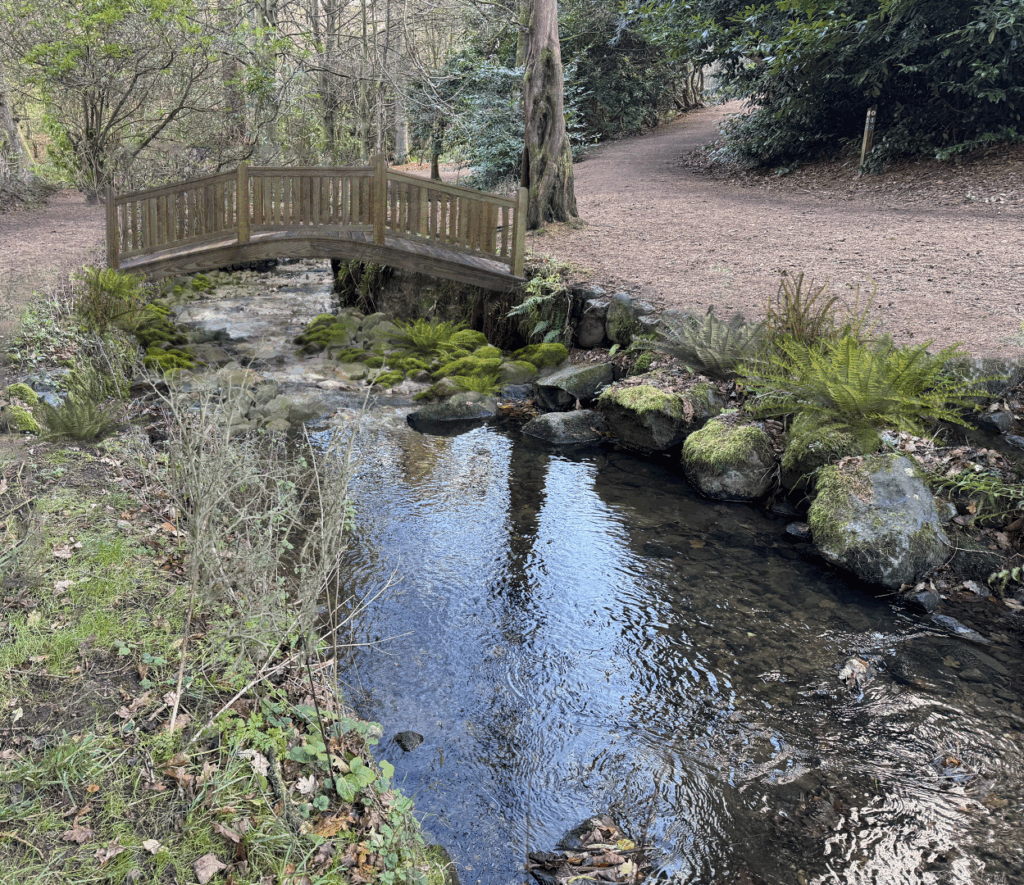
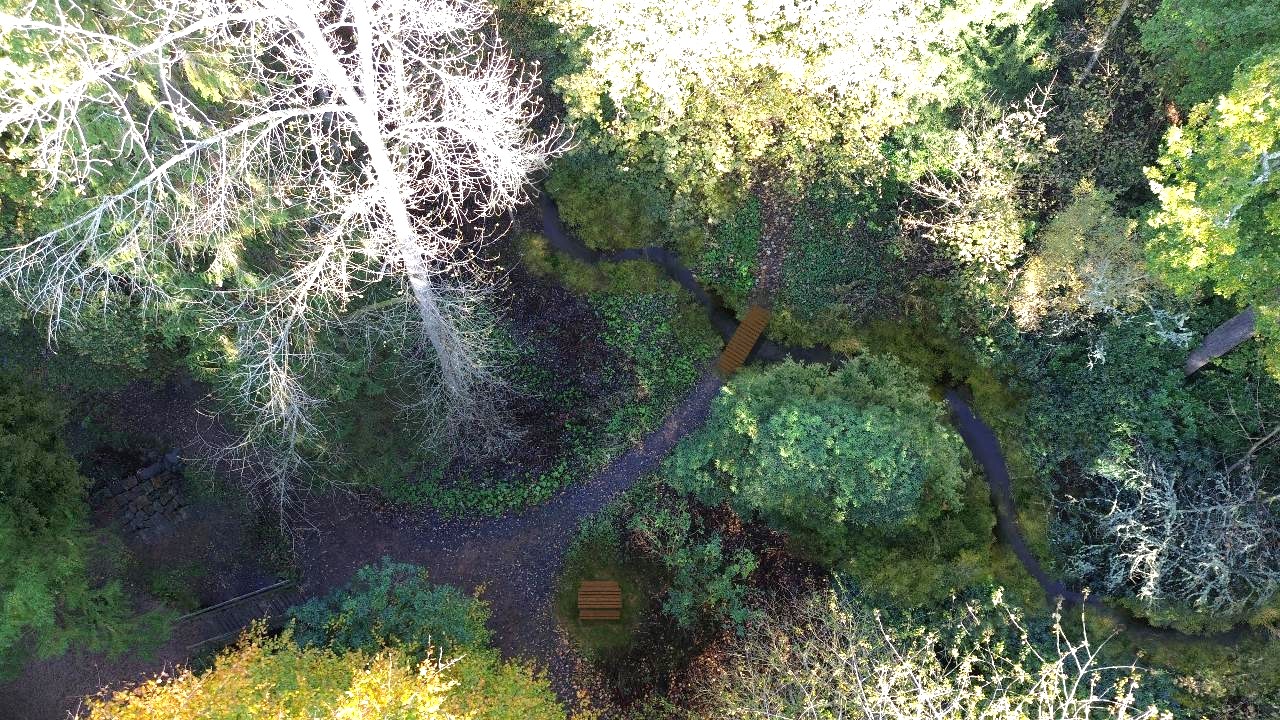
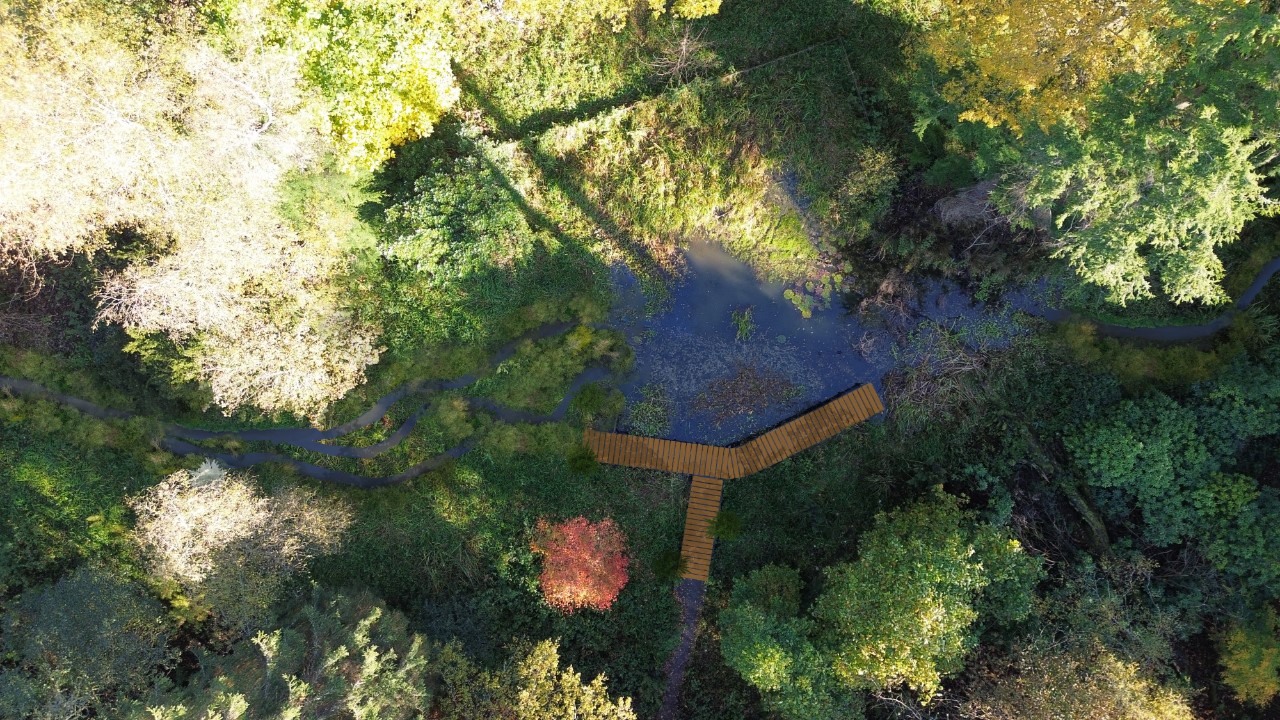
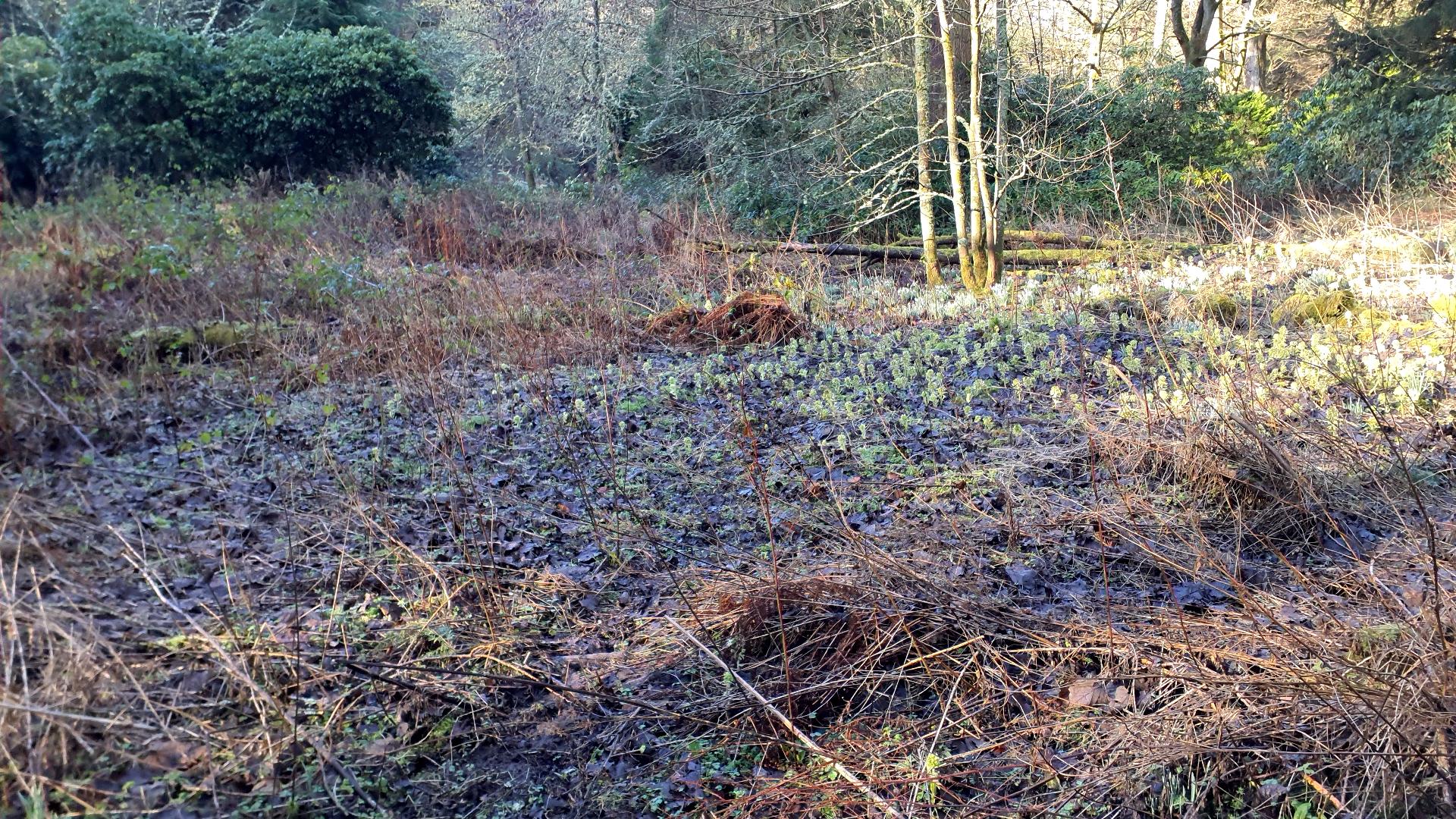
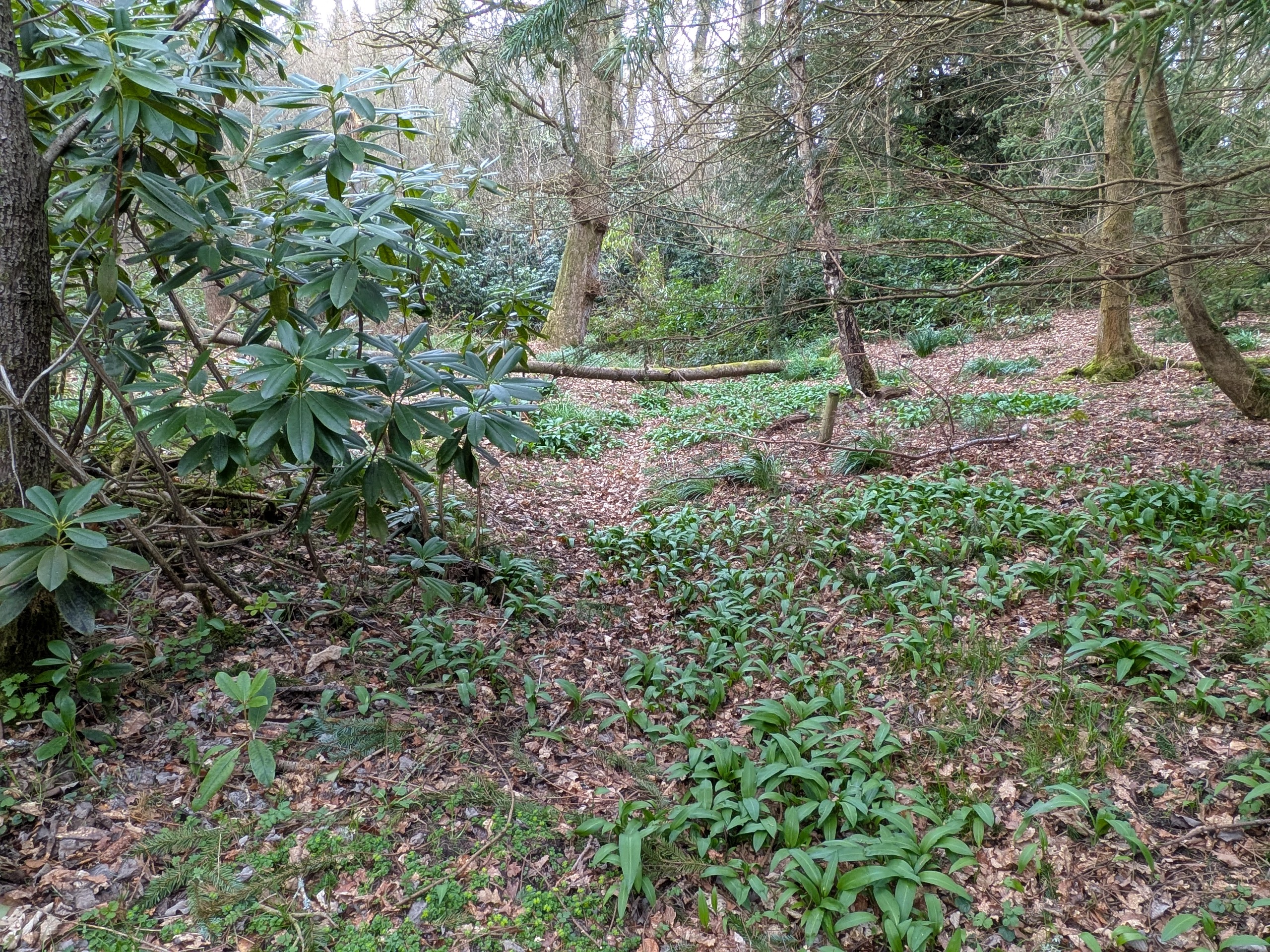
See below for visualisation of how one of the designed rock ramps will look.
Will the construction work disturb local wildlife and community access?
Qualified ecologists and fish specialists have recommended mitigations to minimise any disturbance to wildlife. We will work in the river between May – September to avoid disruption to fish breeding cycles, and rescue fish from sections of the river that will dry up and move them into the new channel.
An Ecological Clerk of Works (ECoW) is also involved in the construction phase to monitor the ongoing works and ensure all ecological aspects of the site and works are considered on a day-to-day basis.
Community access must be managed carefully during construction for safety reasons, and there may be path closures throughout the working window of May – September 2026. All paths will be restored and improved wherever possible to reinstate public access to the same or better condition.
Who is undertaking this project and where is the funding coming from?
This project has been commissioned by Fife Council and the Scottish Environment Protection Agency (SEPA), supported with funding from SEPAs Water Environment Fund (WEF). The Water Environment Fund works with partners throughout Scotland to improve rivers and have selected Back Burn as huge benefits can be made for the river, wildlife and people.
Fife Coast and Countryside Trust (FCCT) are managing the project on behalf of Fife Council and are working with sustainable river restoration specialists CBEC eco-engineering (leading on design). McGowan Environmental Engineering are the contractors appointed to deliver the groundworks. This work is delivered in conjunction with other initiatives in the Leven Programme, which included the completed River Leven restoration project in October 2024 and The Back Burn flowing through Coul Den in October 2025, both of which have involved the CBEC and McGowan teams.
What are the next steps and timeframes?
The Balbirnie restoration works are planned for Summer 2026 between May and September. Until then, FCCT will be engaging with the community to collate feedback about the project.
Community Engagement
We will be holding a series of community events in Balbirnie Park to hear from people about their ideas and thoughts for how we improve the area. Keep an eye on our events page for details. Please email ask.us@fifecountryside.co.uk if you have any questions about the Back Burn restoration projects.
Next consultation event: Monday 16th March 2026, 7pm – 8.30pm, 252 Memorial Hall, 26 Betson Street, Markinch, KY7 6AA. Book your free place.