Back Burn Restoration Project
Why restore the Back Burn?
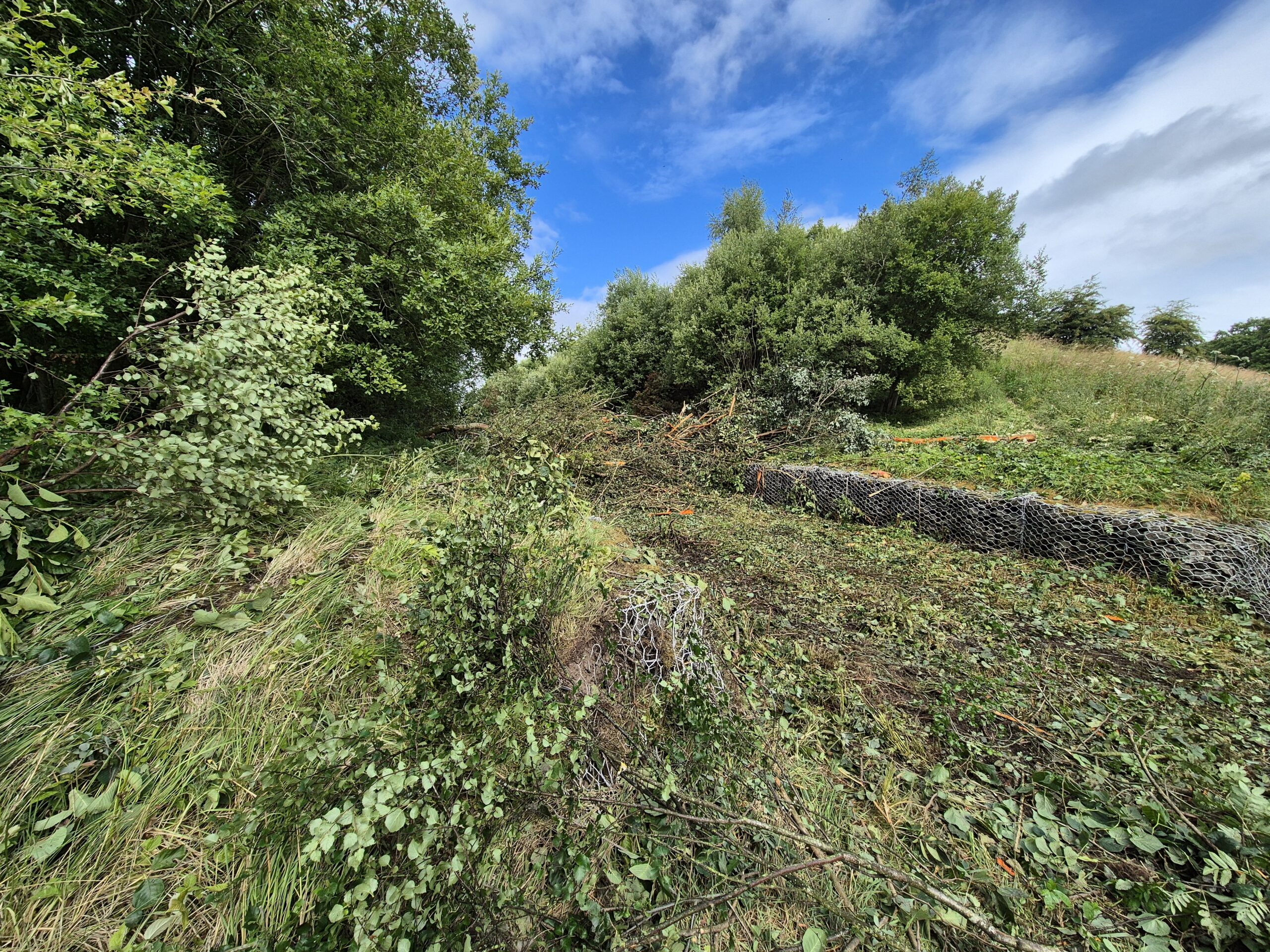
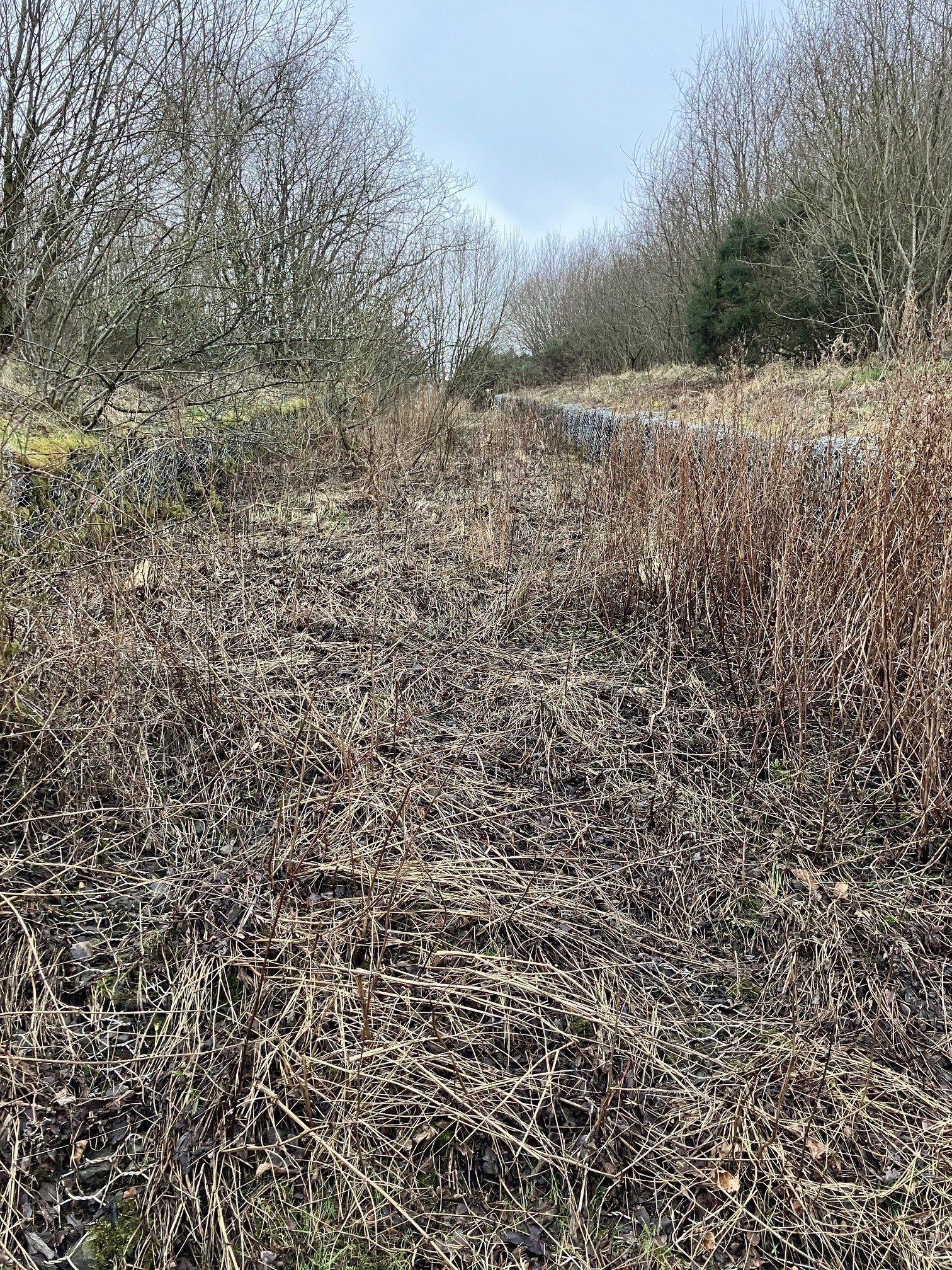
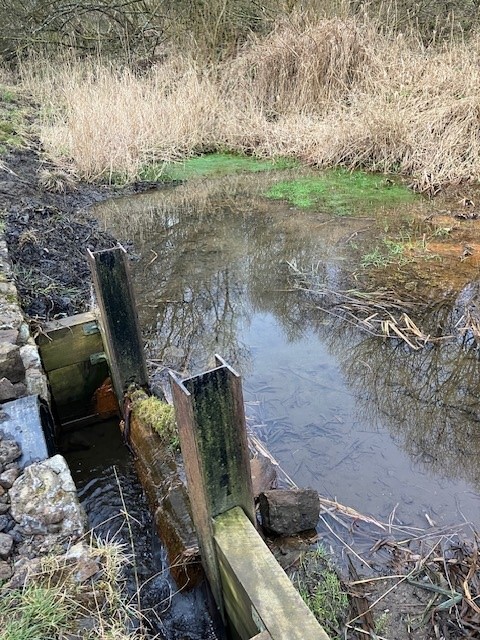
The Back Burn has seen many man-made changes over time, which have affected its health and that of the surrounding environment. These changes include artificial straightening of the burn with wire baskets filled with stones (gabions). Barriers, such as weirs, have been built across the burn. Many benefits can be derived from restoring watercourses to a more natural condition. Restoration helps to:
- Provide a more natural space for local people to enjoy
- Improve local resilience to climate change
- Support biodiversity including fish, mammals, birds and amphibians
- Allow fish passage by removing barriers
- Reduce flood risk, for instance through natural flood management
- Gain space for nature in a more urban environment
The works focus on improvements at Coul Den (in 2025) and Balbirnie Park (in 2026). This project page focuses on the works at Coul Den.
Where is the project happening?
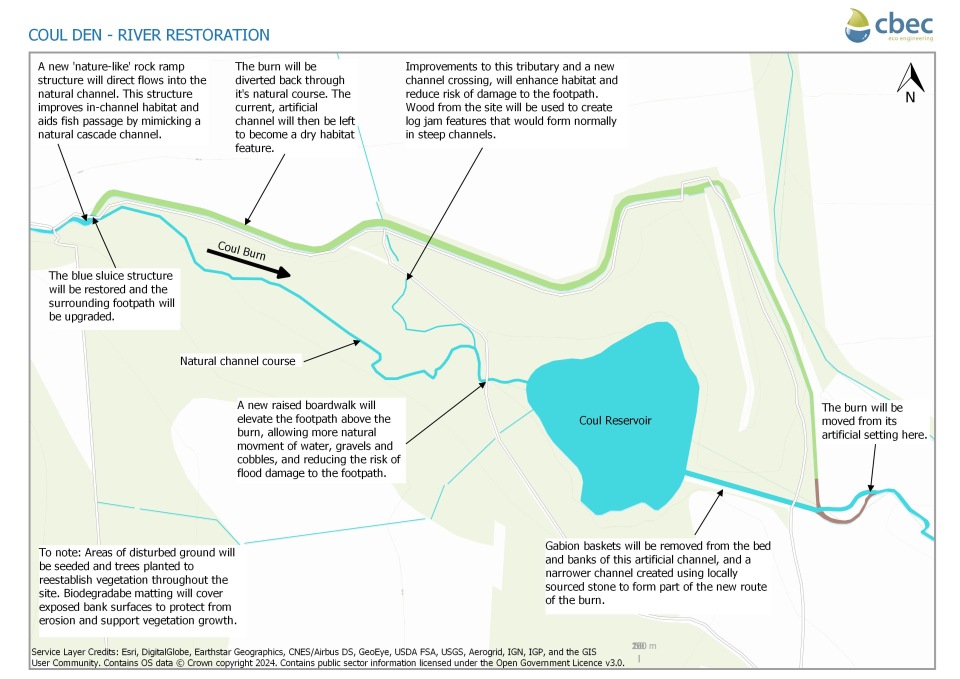
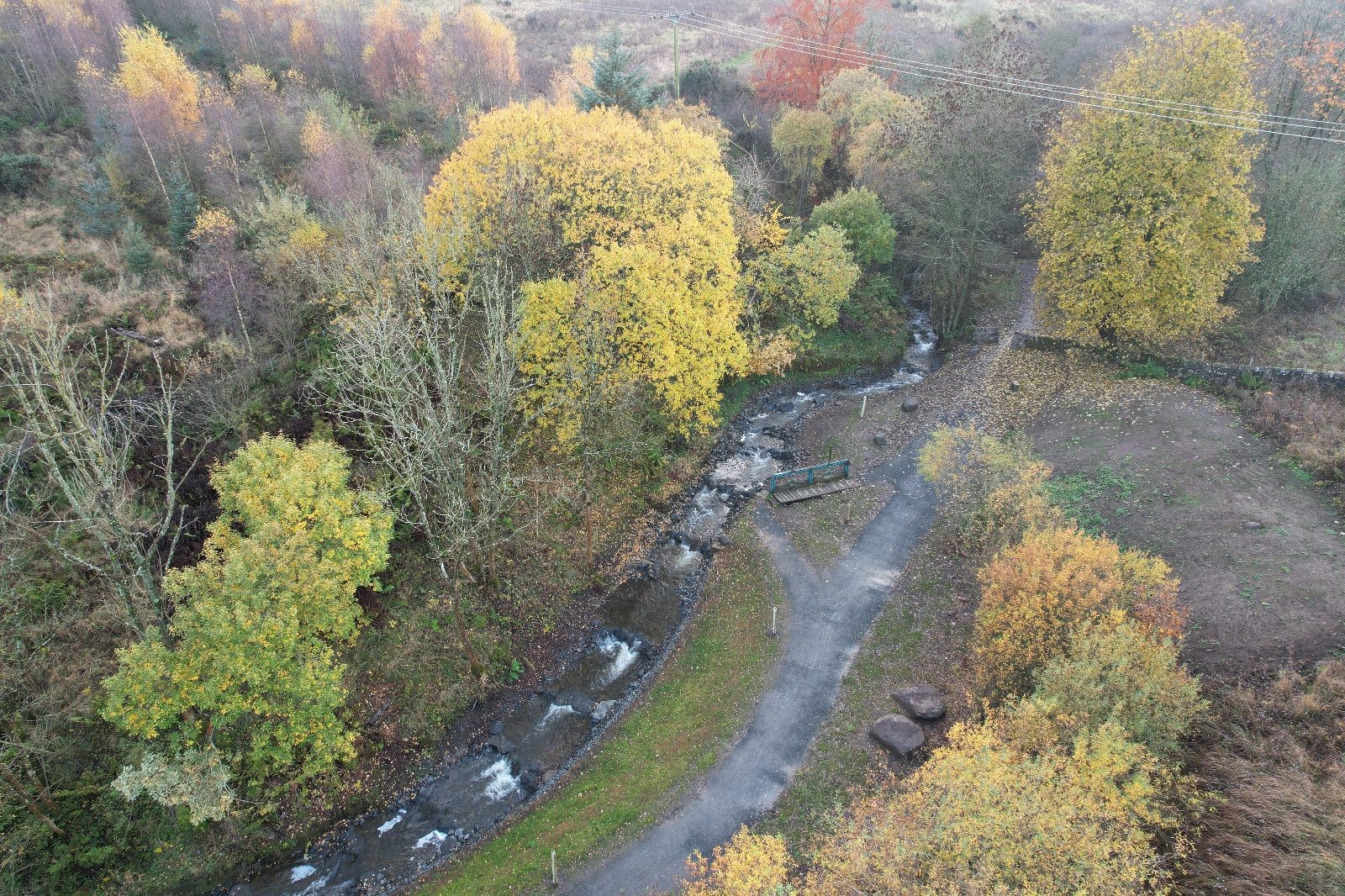
At Coul Den, river restoration works have been undertaken at a number of locations along the burn: These include:
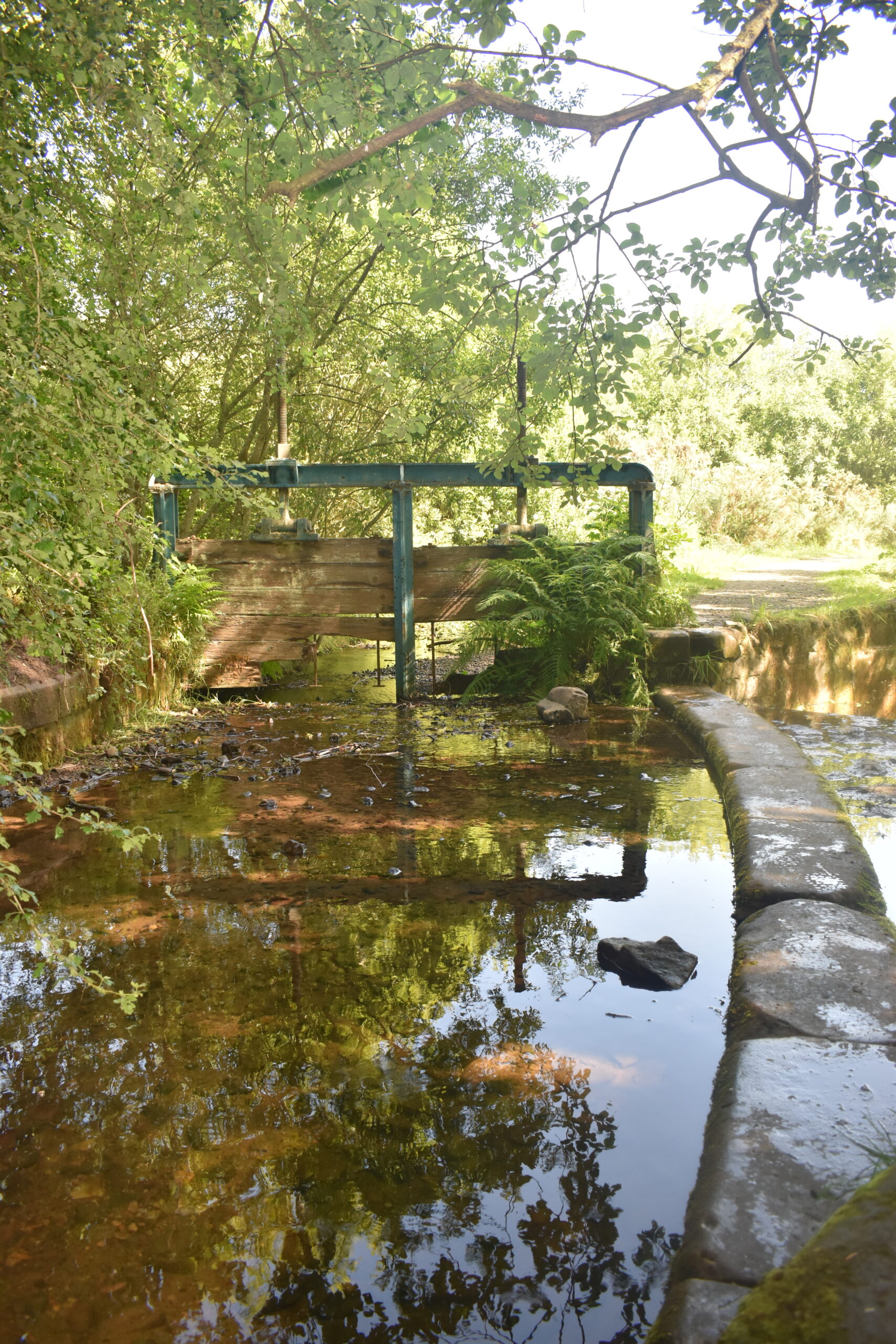
- Over a 550 m stretch of the burn upstream of the Blue Sluice
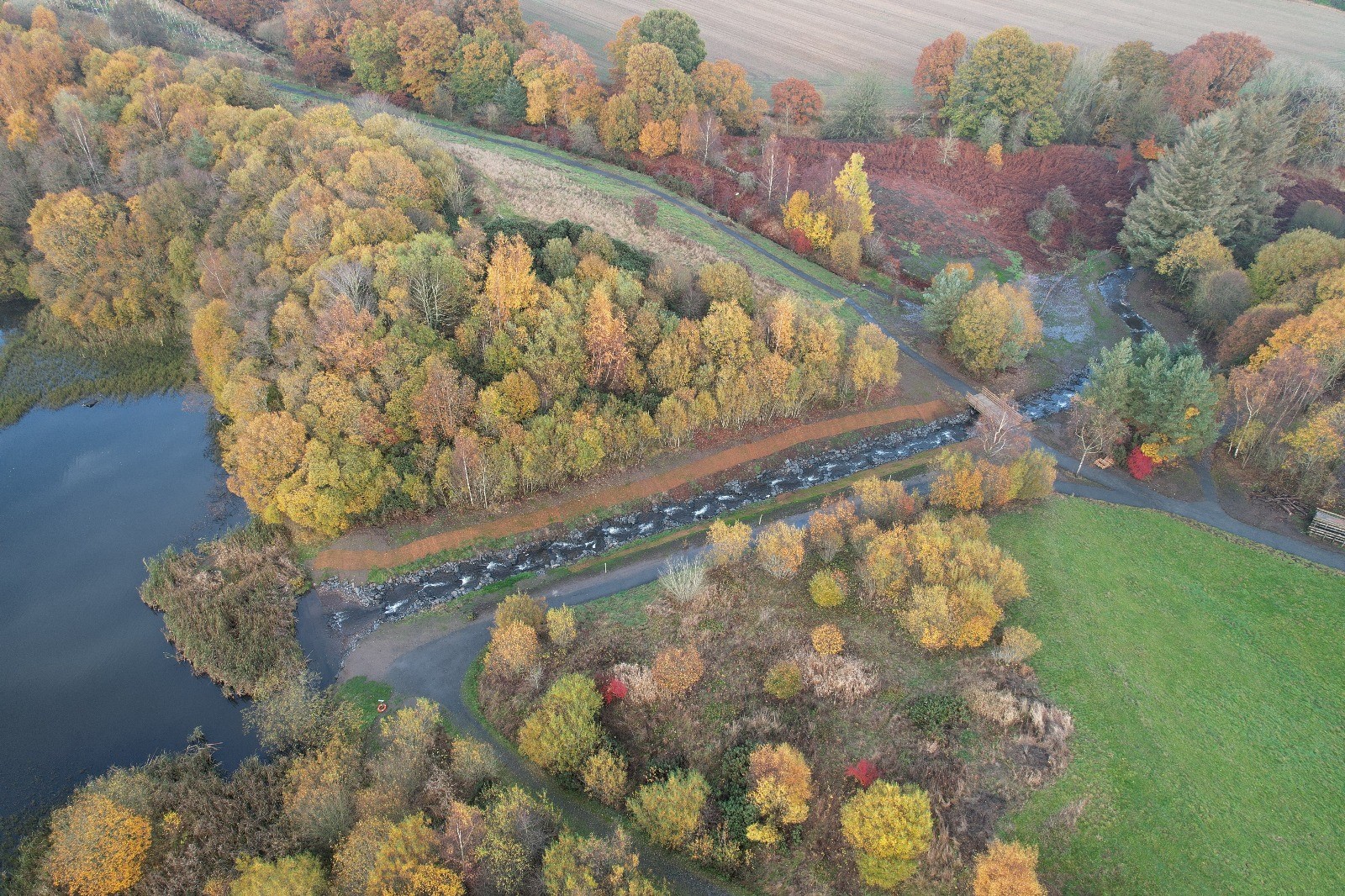
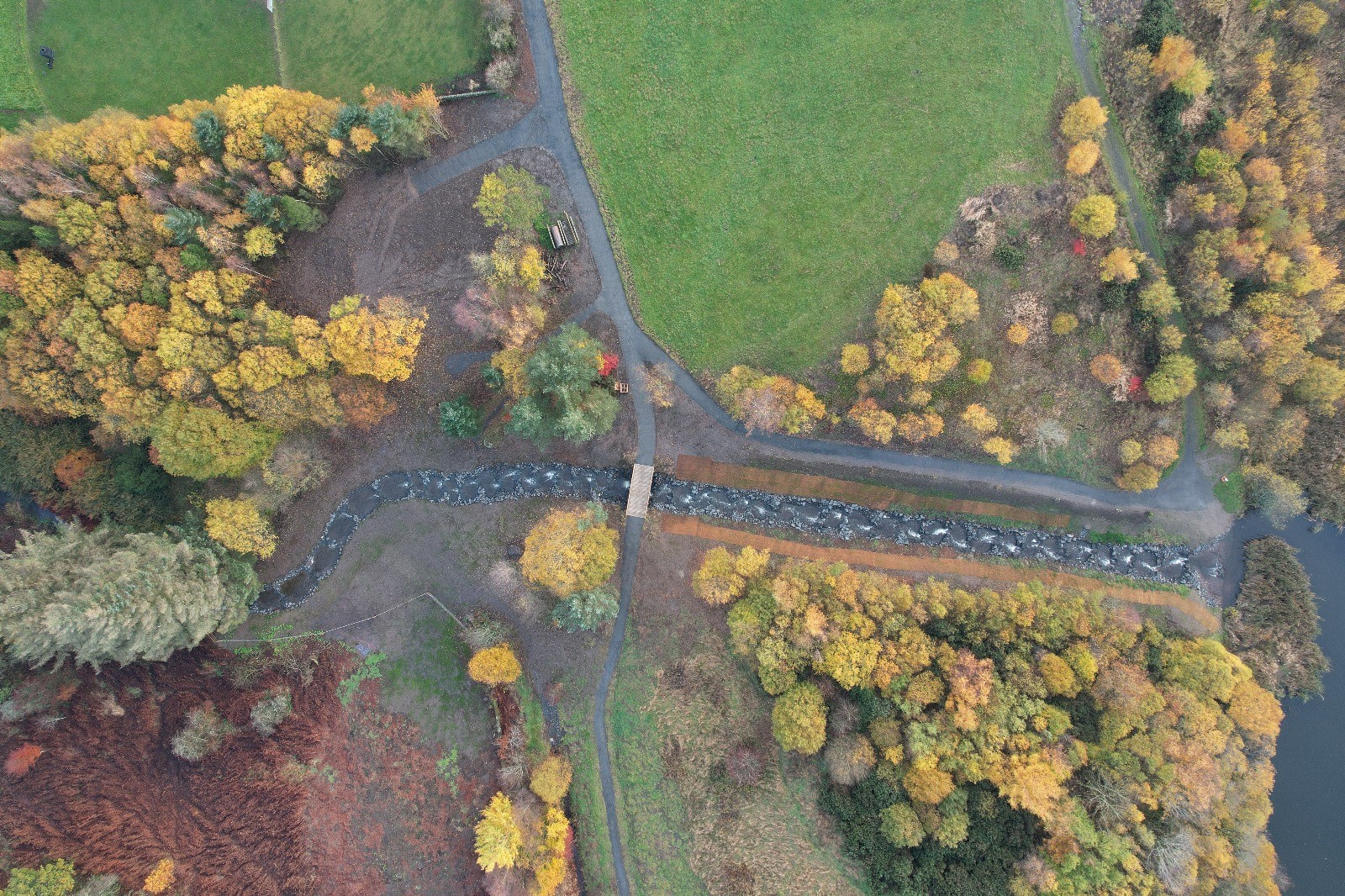
- Over a 600 m stretch of the burn from the Blue Sluice to 150 m downstream of Coul Reservoir, including a 60 m stretch of a small tributary that joins the main burn upstream of Coul Reservoir
- Over a 570 m stretch of the burn downstream of the Coul Reservoir to the end of Maree Way
Who is undertaking this project?
In conjunction with other initiatives in the Leven Programme, this project has been commissioned by Fife Council and the Scottish Environment Protection Agency (SEPA) It’s being managed by Fife Coast and Countryside Trust (FCCT), supported initially with funding from the Water Environment Fund (WEF).
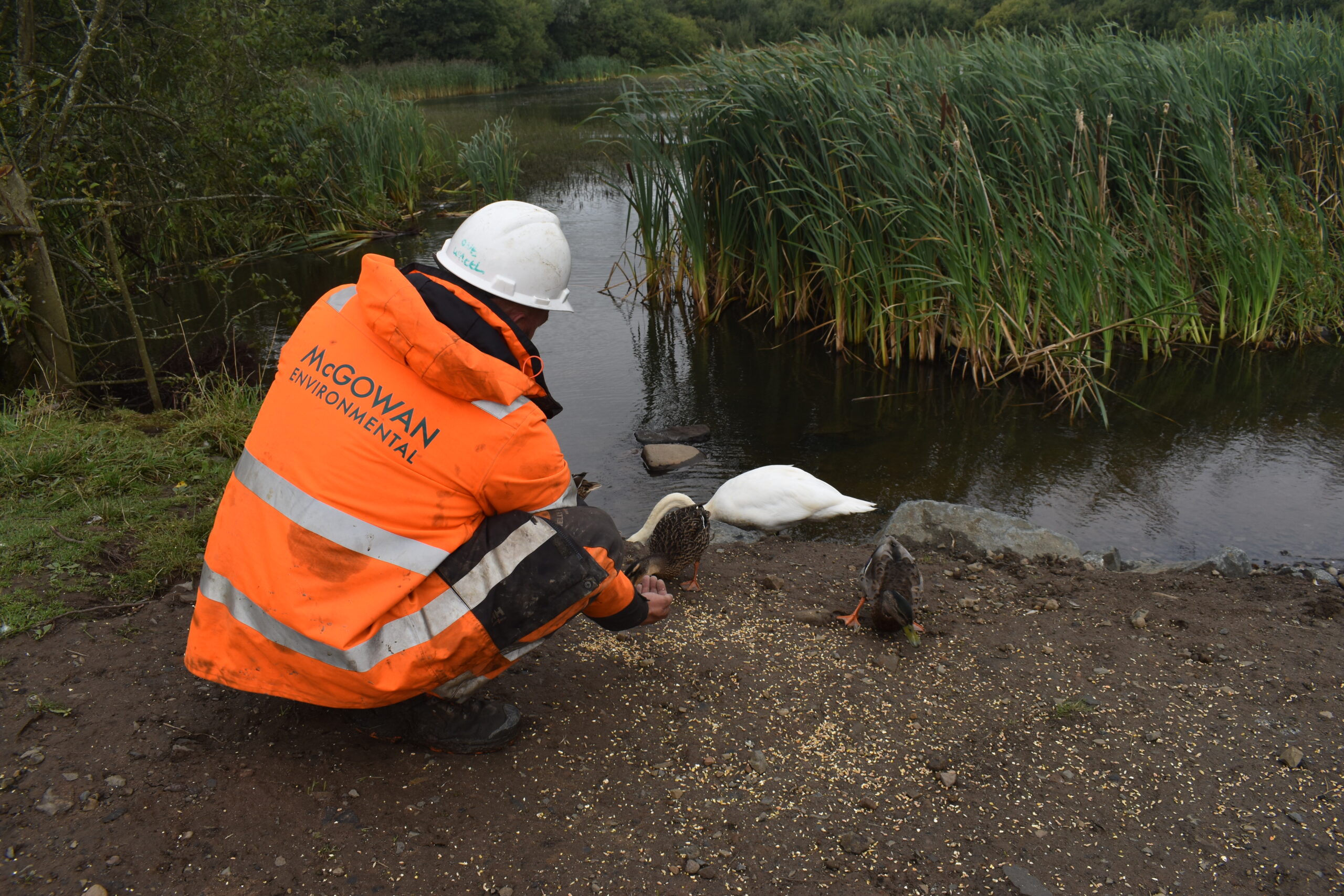
cbec eco-engineering are the project’s technical designers. They worked with Fife Council, SEPA and FCCT to finalise the restoration design options that were shared via public consultation in November 2023. McGowan Environmental Engineering are the contractors appointed to deliver the groundworks.
What were the restoration works in a nutshell?
- Removal of informal boulder weirs and wire fencing that have been placed in the channel upstream from Coul Den
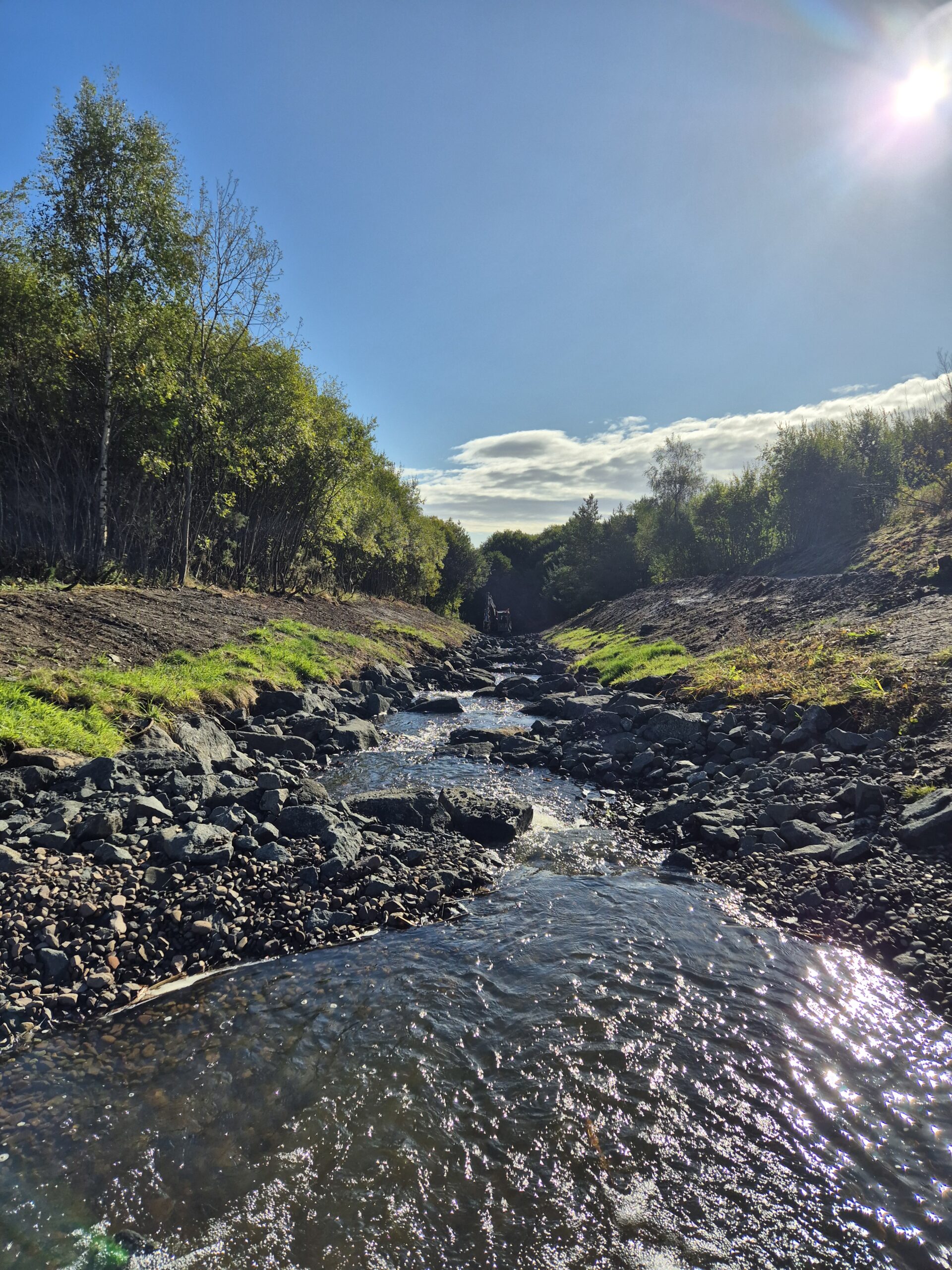
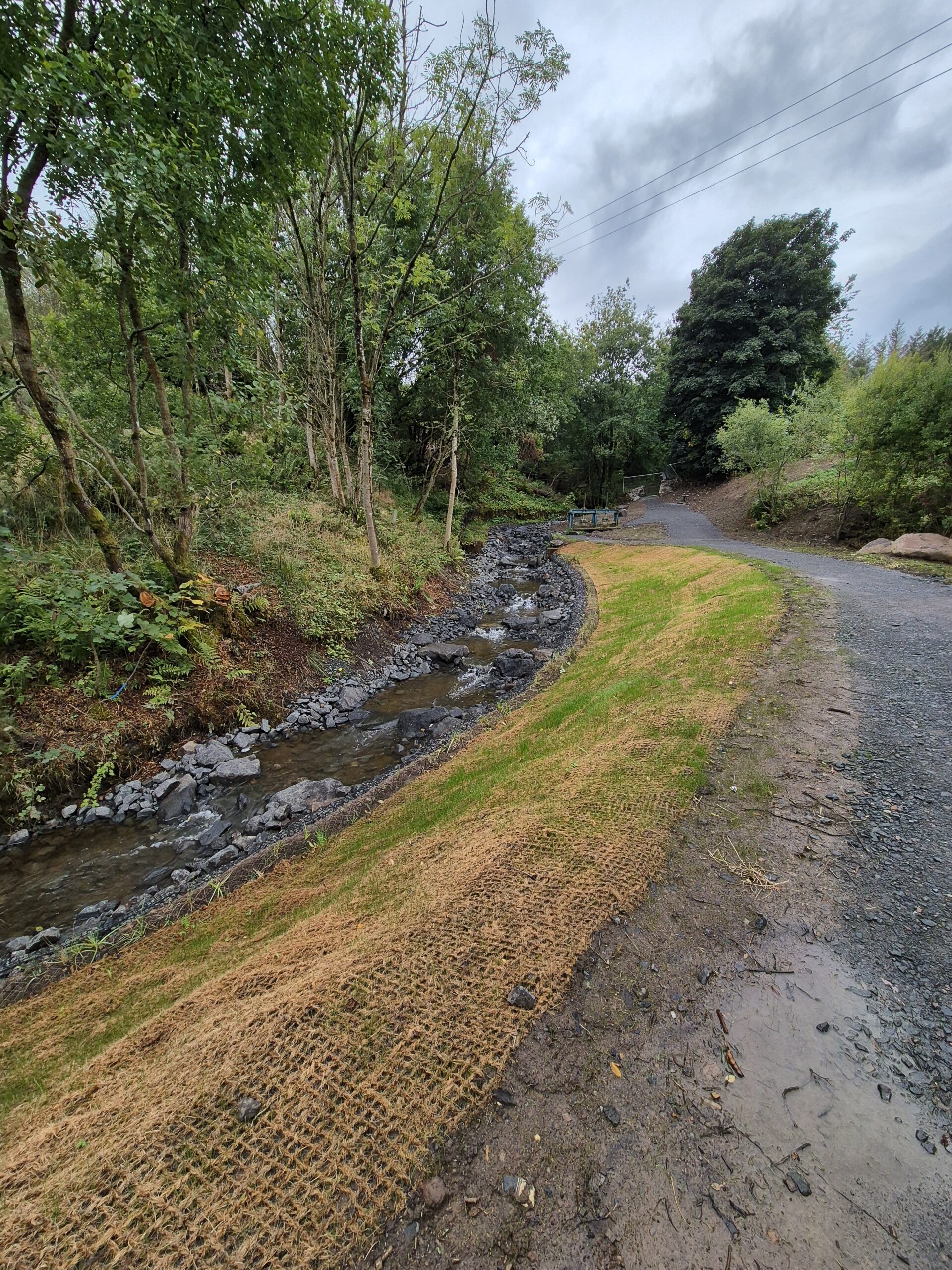
- Diverting the flow back through the original burn course to restore more natural river processes and forms which support river habitat
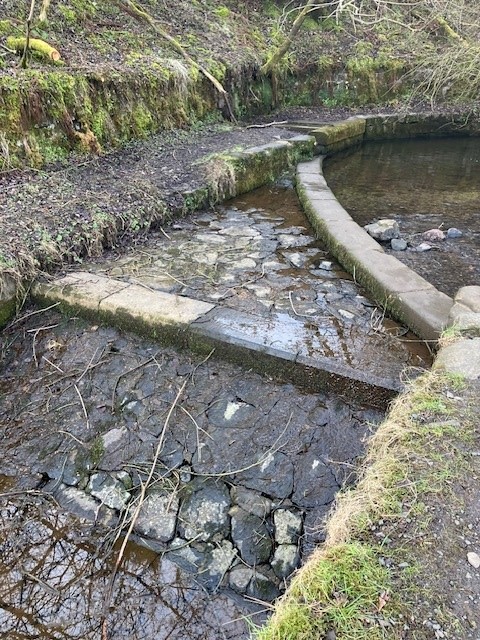
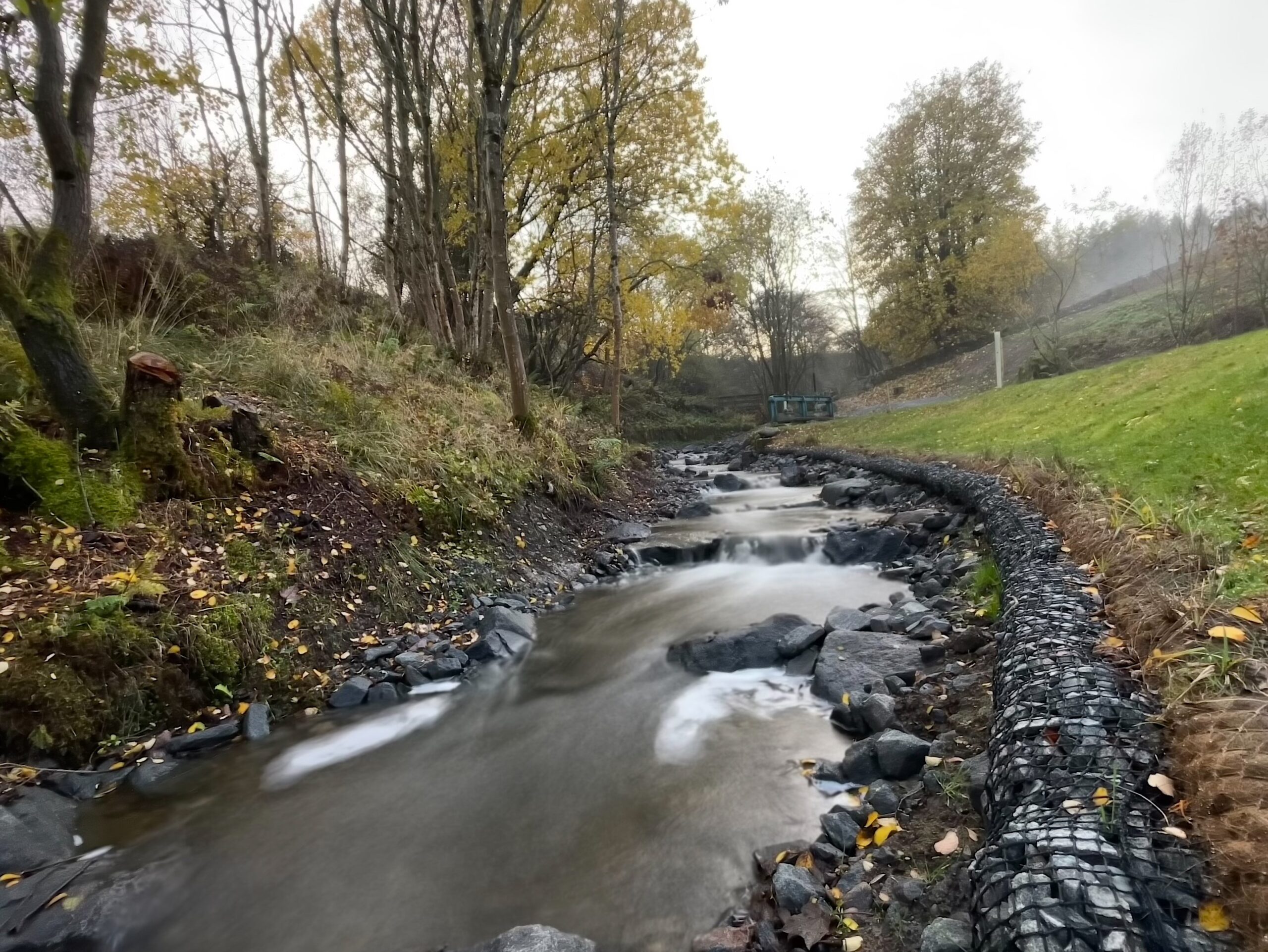
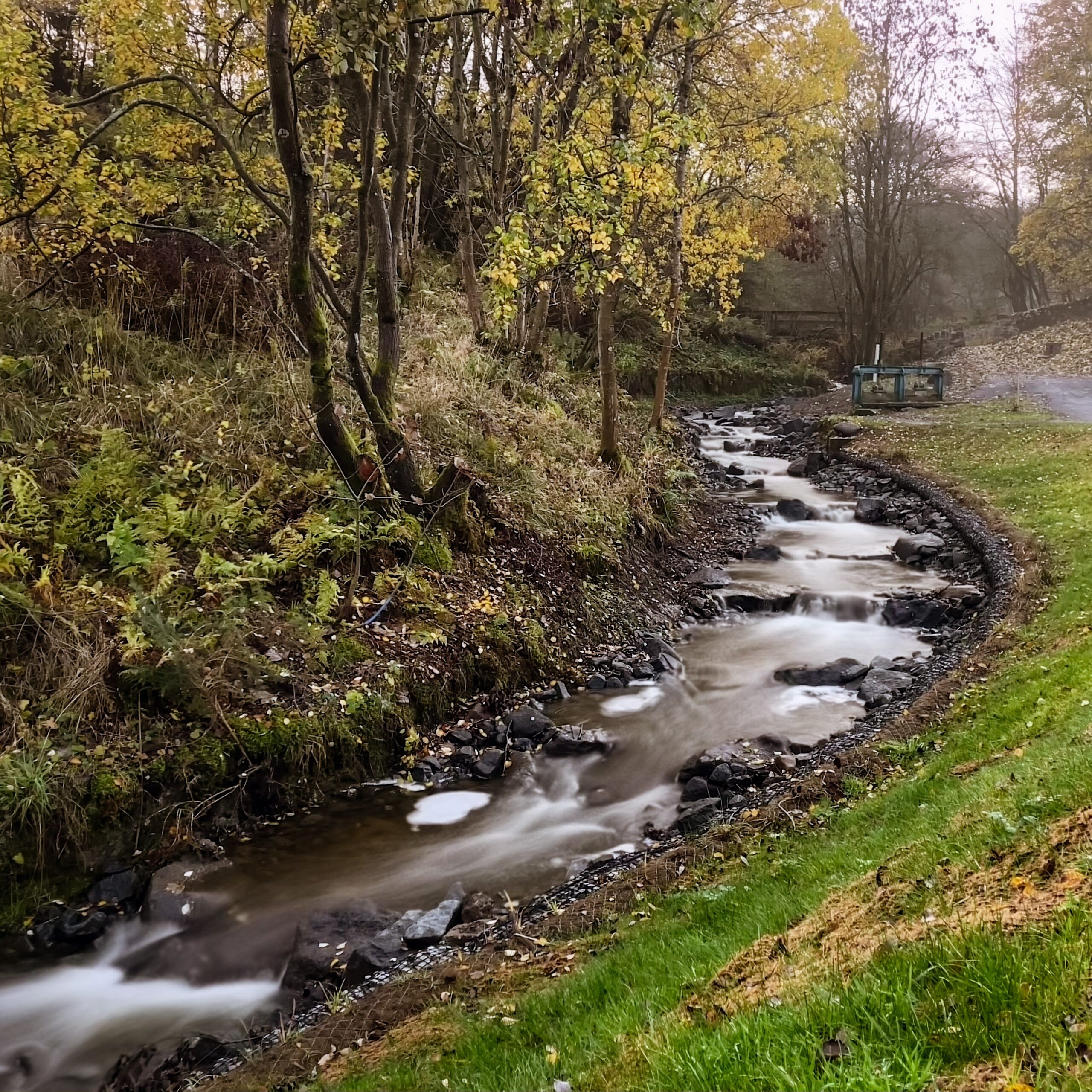
- Construction of ‘nature-like’ rock ramps at barriers that cannot be fully removed (i.e. weirs and steep artificial channels) in the channel to mimic natural channel conditions and enable fish to move up and downstream more easily
- A section of the river was realigned downstream of the reservoir to move the burn away from sections of artificial channel and restore more natural river conditions that support habitat and biodiversity
- Construction of a new channel along a section of the small tributary in Coul Den woodland, using natural tree trunks to mimic natural channel conditions in a steep wooded area and help bring stability to the channel. This increased stability will help control erosion risk and aid the protection of the footpath crossing
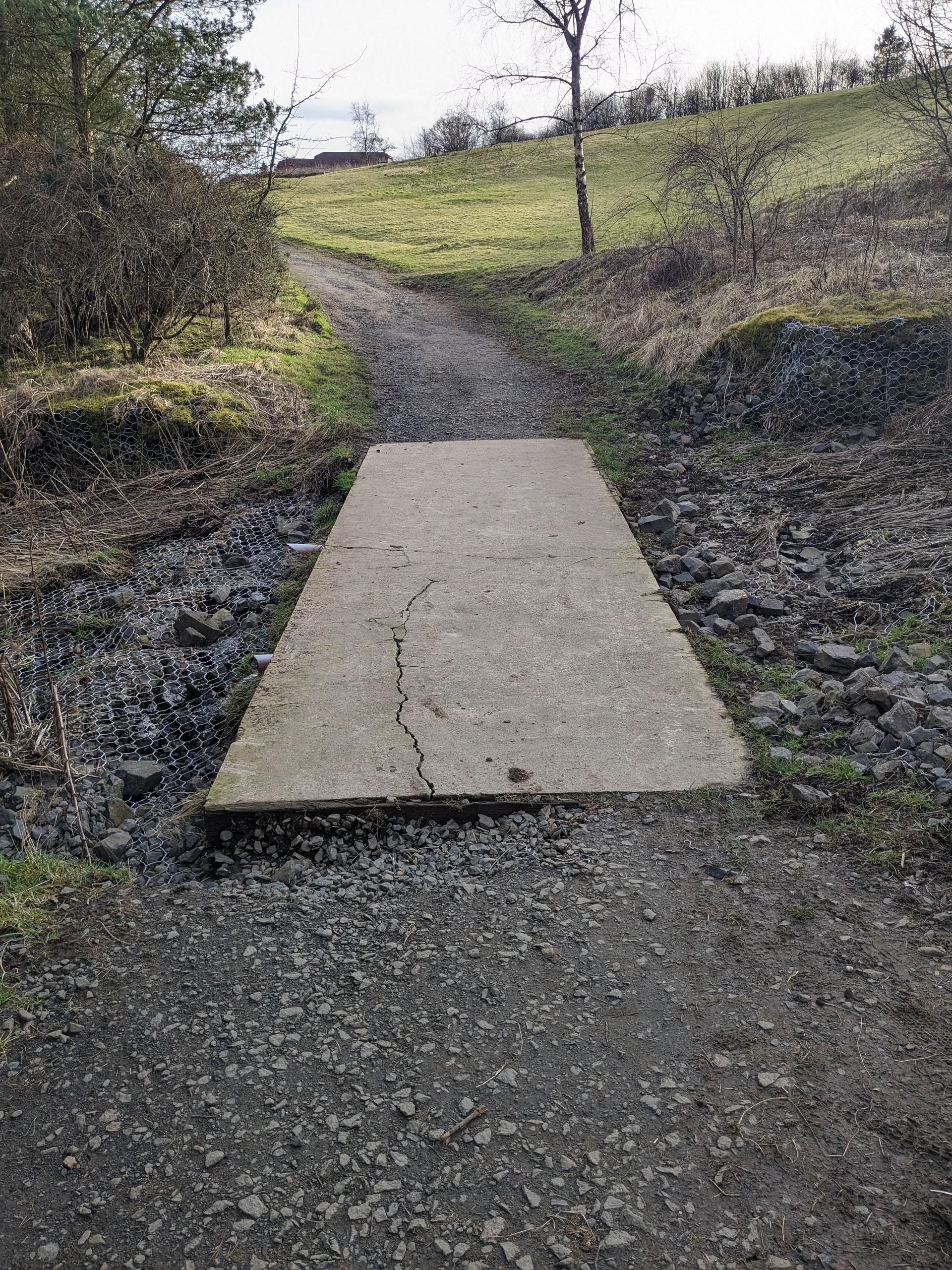
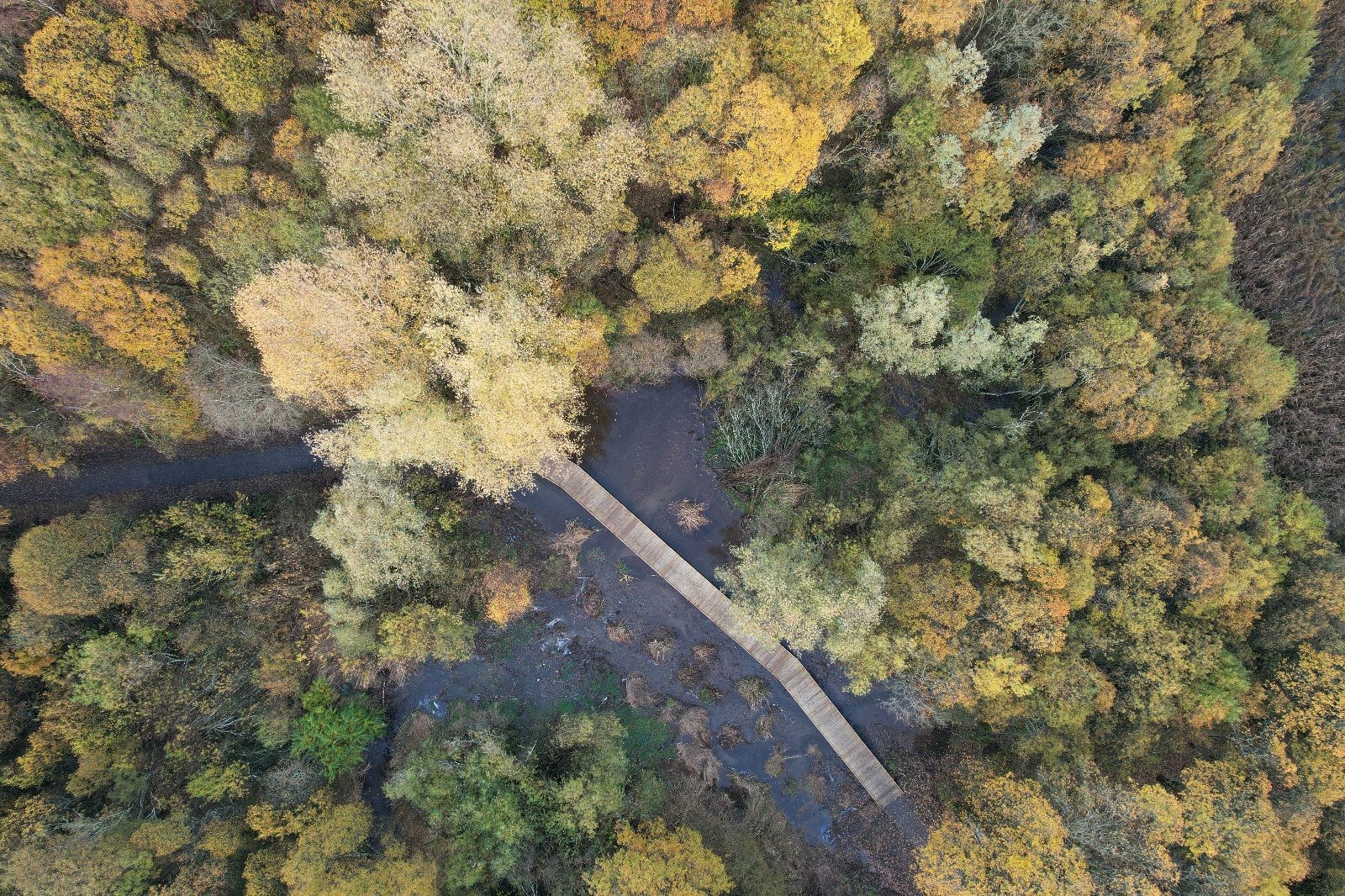
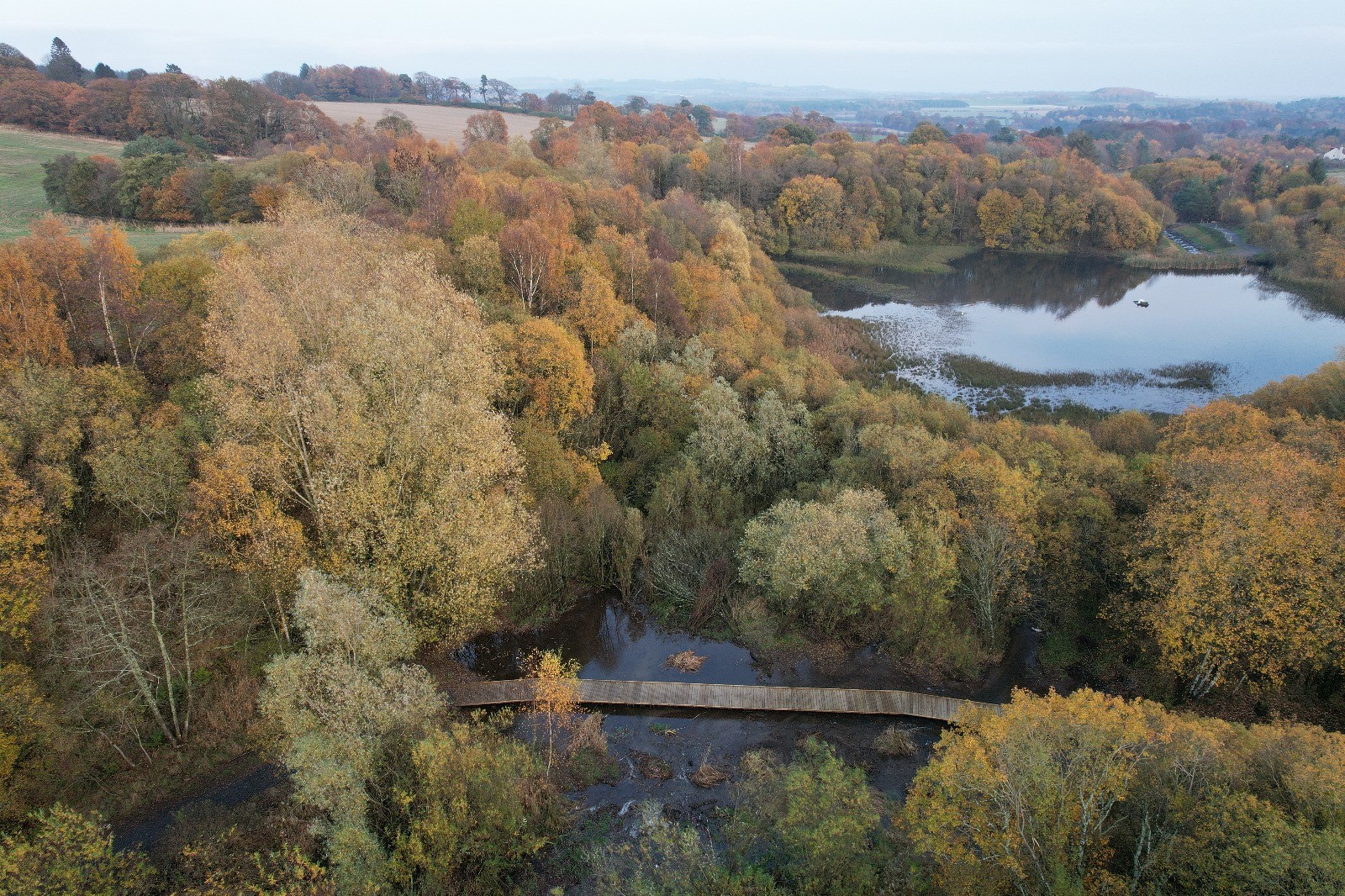
- Replacement of an existing path crossing with a new boardwalk over the burn upstream of the reservoir to make space for the river and improve the resilience of the path network
Why is improving fish passage through the burn important?
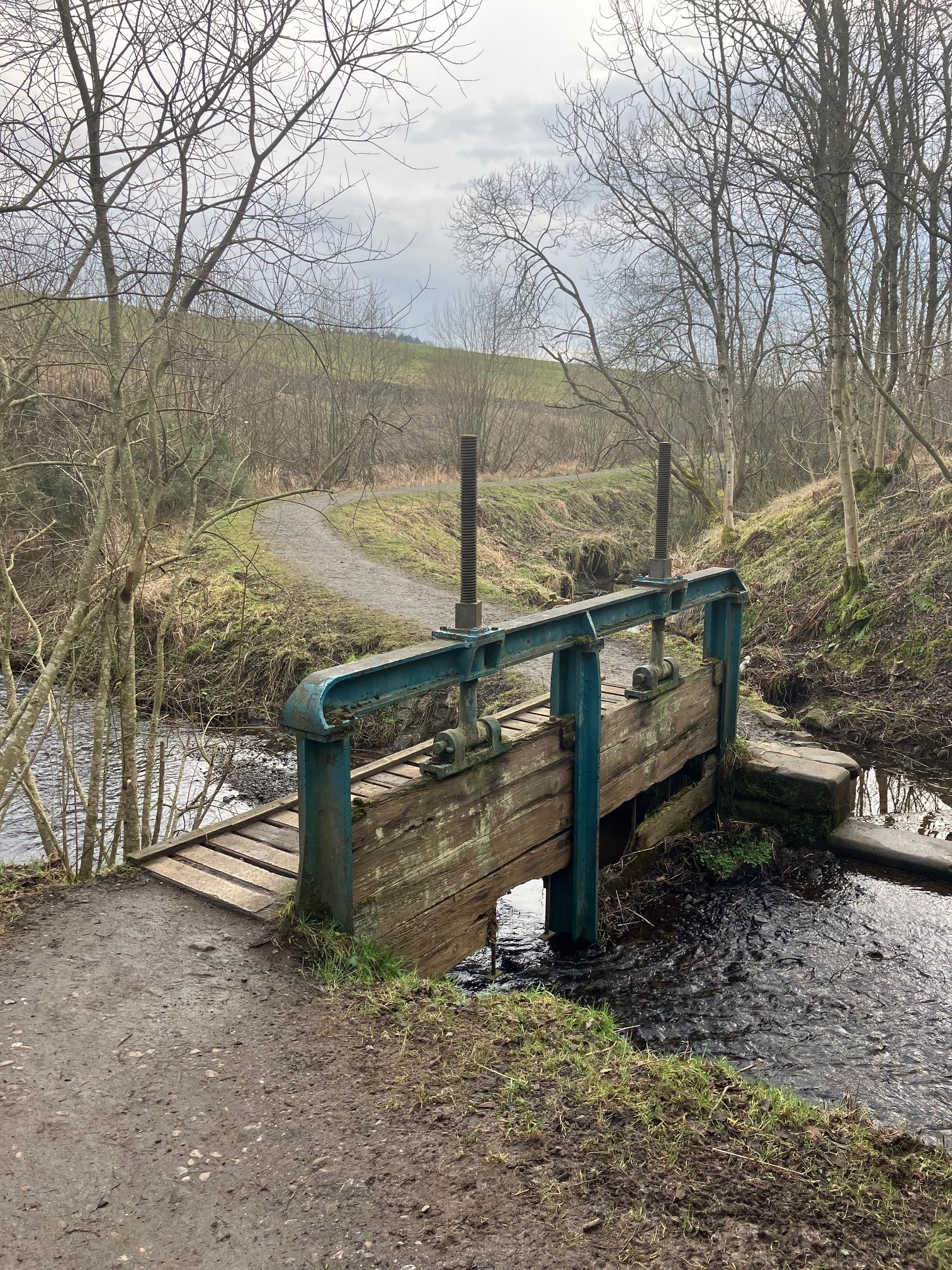
A population of brown trout is recorded along the Back Burn. But the extent of the habitat they can move through is limited by structures in the channel that act as barriers to fish migration. At Coul Den the dam and the weir by the Blue Sluice supported the historic whisky industry. Removal or easement of these barriers will make it easier for fish to move up and downstream as they would do naturally. This will help improve the health and variety of fish as well as other wildlife along the Back Burn.
Has the construction work disturbed local wildlife and habitats? How has this been considered?
A number of wildlife surveys were undertaken in the run up to the works, identifying a number of species present or potentially present at the site. These have been undertaken by qualified ecologists and fish specialists. They have been able to recommend mitigation measures to the contractors, to minimise any disturbance to those species.
All works within the river took place within the ‘in-river’ working window of May – September, to avoid disruption to fish such as trout. Fish rescues were undertaken by Forth Rivers Trust ahead of in-channel works.
An Ecological Clerk of Works (ECoW) was also involved in the construction phase to monitor the ongoing works and ensure all ecological aspects of the site and works are considered on a day-to-day basis.
What’s next for Coul Den?
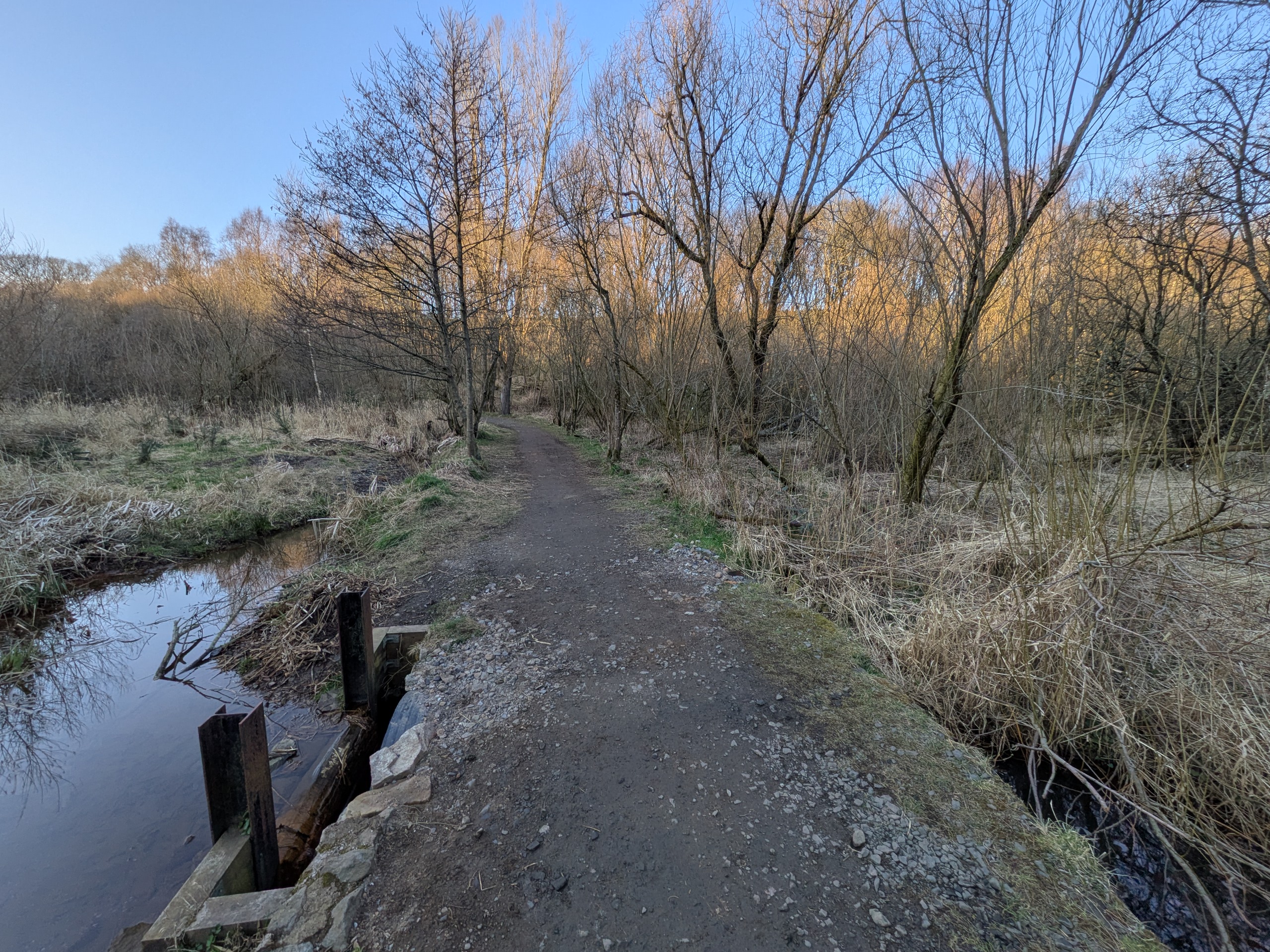
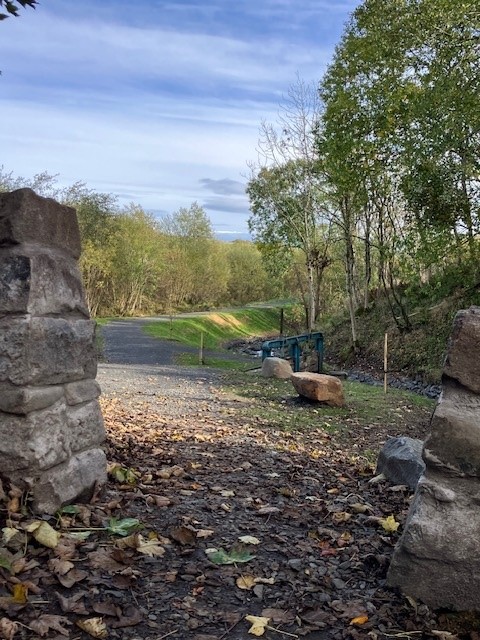
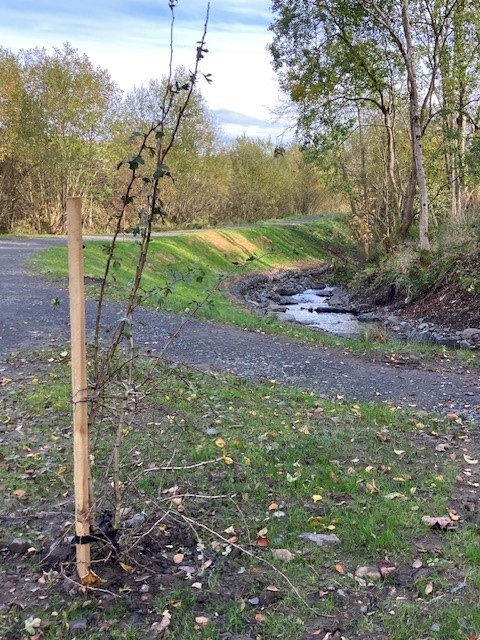
Now that the construction works are complete, it’s up to nature to re-establish the site. Trees have been planted and native grass and wildflower seed has been laid t encourage re-vegetation, and once spring comes, the site will rapidly re-vegetate naturally as well. The water will find its own route through the new watercourse and over the rock ramps that have been installed, and we will monitor the site closely for the next year to see how the river responds to different flows and conditions and to see if any adjustments are needed. We will also monitor species and habitat including through riverfly surveys to see how wildlife are taking up the new habitat.
Further works on the Back Burn are planned for 2026 to continue improving this river at Balbirnie Park. Please see our Back Burn at Balbirnie project page for more details.
Community engagement
We will continue holding community events at Coul Den to help local people connect with the greenspace. Keep an eye on our events page for events such as tree planting, litter picks and consultation walkovers.
Please email ask.us@fifecountryside.co.uk if you have any questions about the Back Burn restoration projects.

Related Projects

Rosyth River Restoration

Restoration Forth
