Growing Resilient Farms and Landscapes
Trees are part of integrated productive farming systems. From sheltering livestock and improving soil health to reducing flood risk and protecting water quality – well-placed trees can strengthen farm businesses while supporting climate resilience and biodiversity.
The Working Land, Working Trees Campaign highlights practical approaches to integrating trees into productive agricultural landscapes across Fife.
Why Trees Matter on Farms
Trees are not just environmental features — they are working assets within productive farming systems.
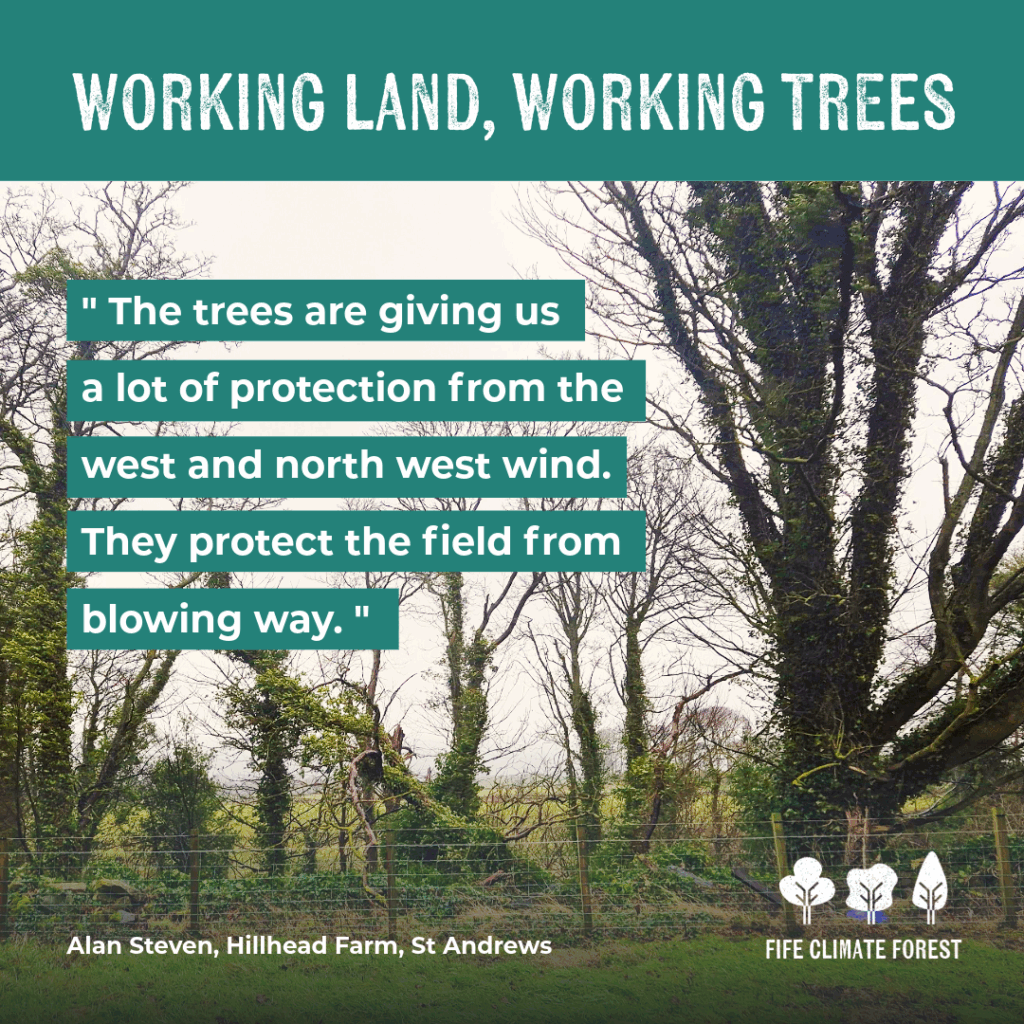
Strategically planted trees can:
• Reduce wind exposure for crops and livestock
• Improve animal welfare
• Reduce soil erosion
• Increase water infiltration
• Provide shade during hotter summers
• Create habitat for pollinators and natural pest control
• Diversify farm income through timber, biomass, fruit, or carbon opportunities
Well-designed planting supports both farm productivity and environmental resilience.
Farmers Henry Cheape and Stephen Melville discuss any concerns they had prior to planting trees and hedgerows – view video.
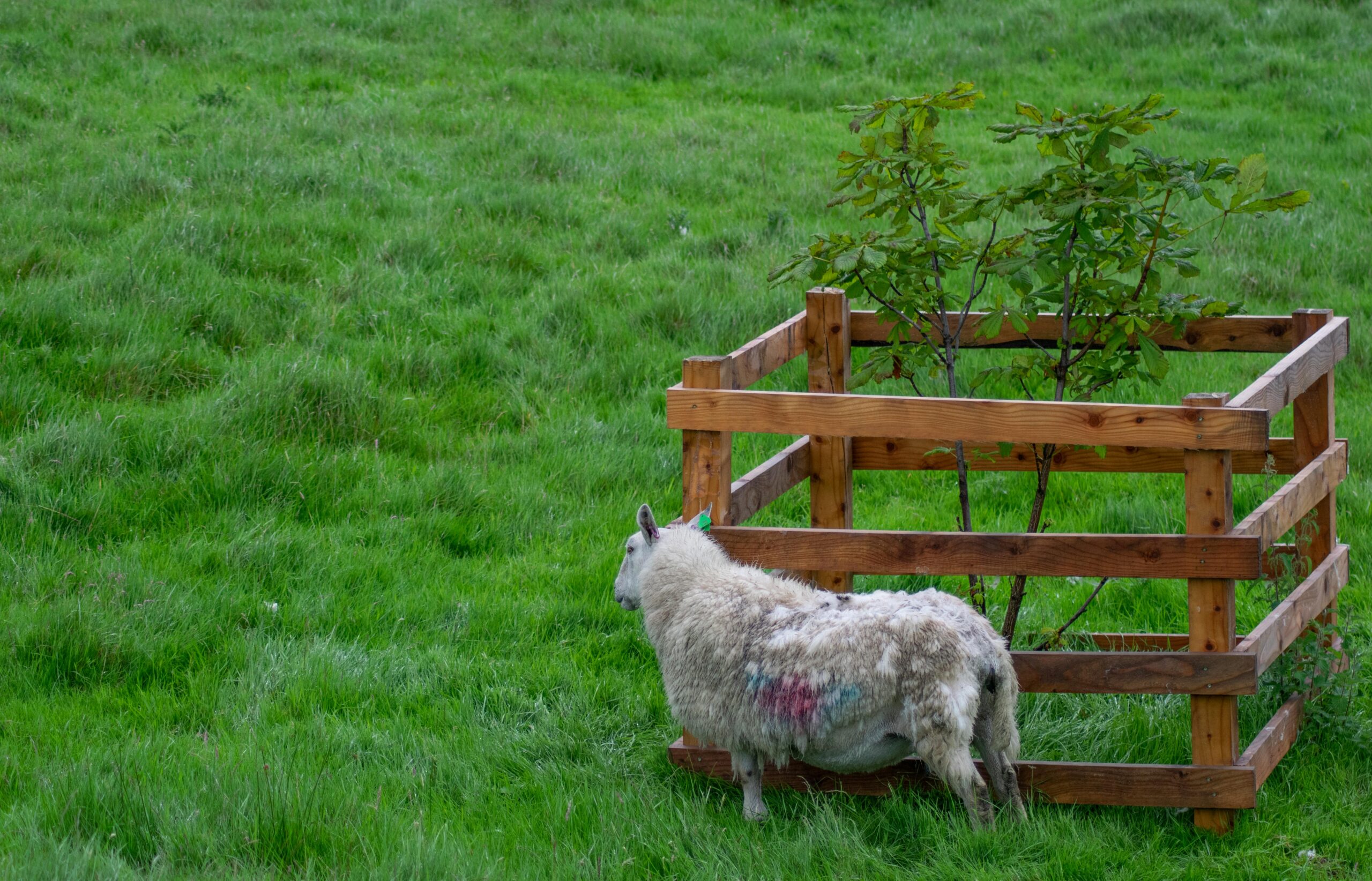
Shelter for Livestock
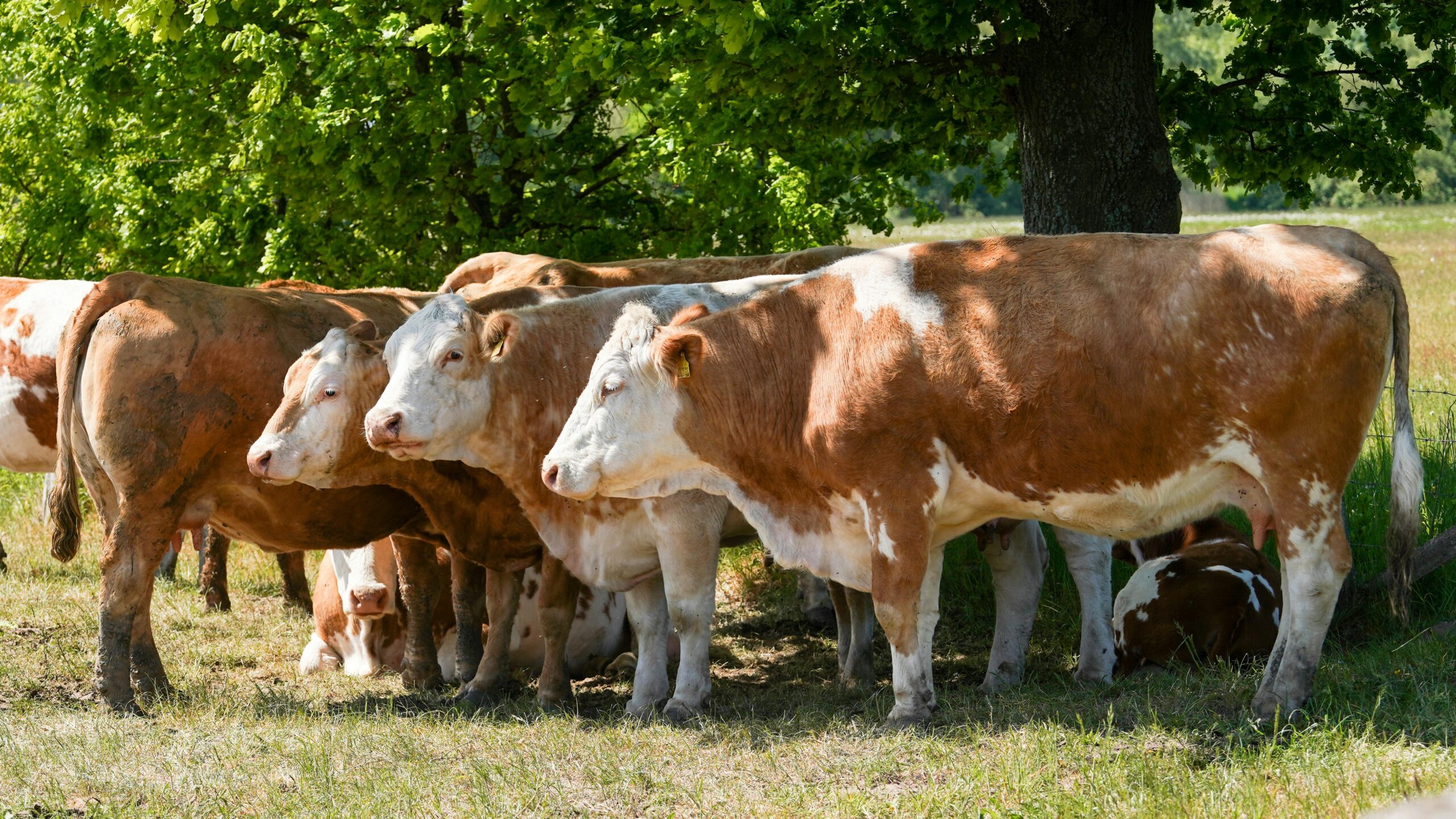
Trees provide natural shelter from wind, rain, and heat stress.
Benefits include:
• Reduced lamb mortality
• Improved weight gain
• Lower stress during extreme weather
• Better winter shelter
• Shade during summer heat events
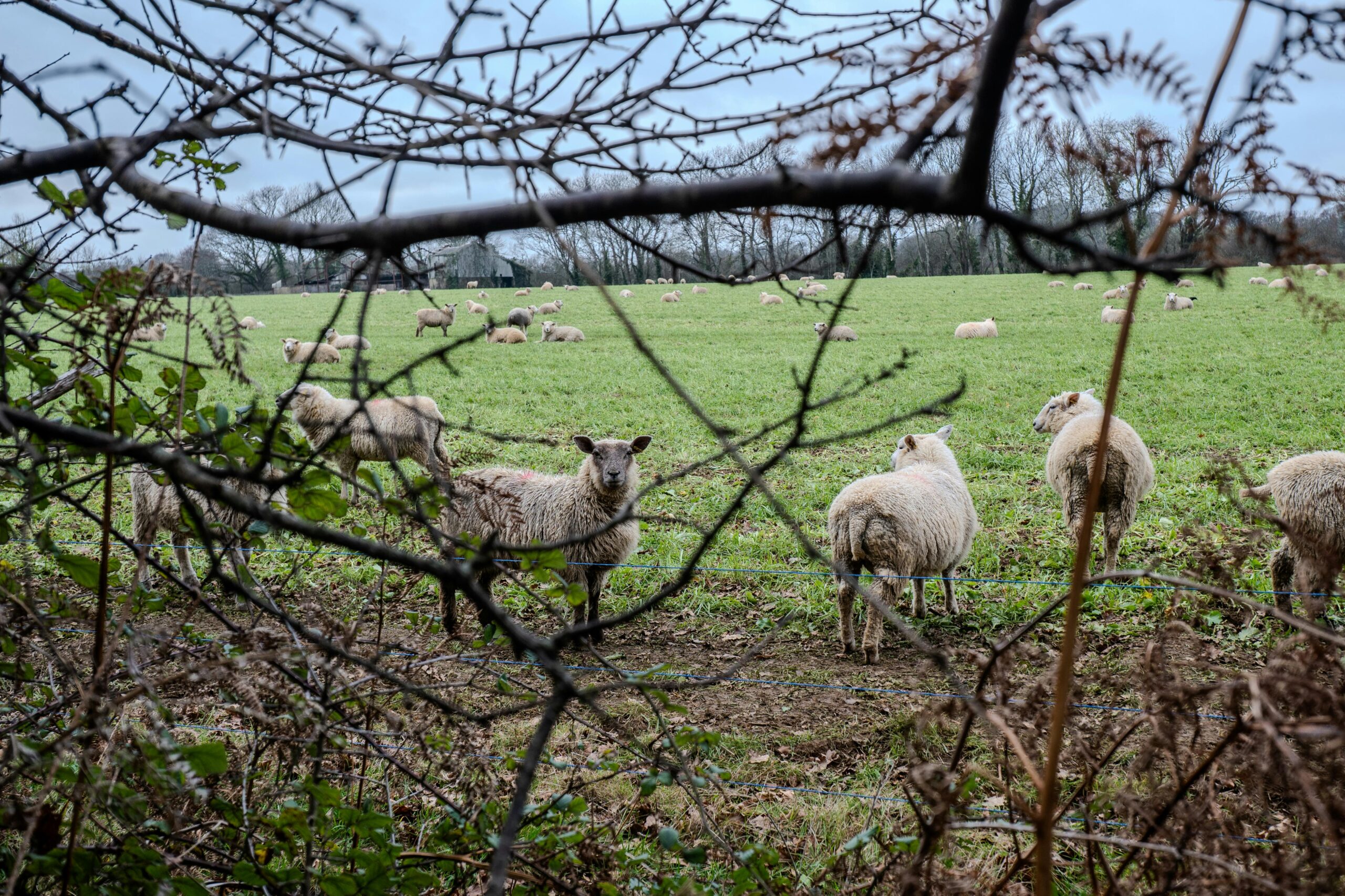
Even small areas of shelter planting can improve livestock comfort and reduce pressure on exposed fields.
Soil Protection and Water Management
Healthy soils are one of a farm’s greatest assets.
Trees and hedgerows help:
• Slow surface water runoff
• Reduce erosion during heavy rainfall
• Improve soil structure through root systems
• Increase organic matter
• Reduce compaction pressure
Tree roots stabilise vulnerable ground and help land absorb and hold water more effectively.
Riparian Planting
Riparian planting — trees and vegetation beside watercourses — delivers multiple benefits for farms and catchments.
Benefits include:
• Stabilising riverbanks
• Reducing sediment entering watercourses
• Filtering phosphorus, nutrients and runoff
• Providing shade to help keep water temperatures lower
• Creating wildlife corridors
• Supporting our vulnerable salmonids and freshwater ecosystems
Buffer strips and riparian woodland can improve water quality while protecting valuable farmland from erosion.
Natural Flood Management
Trees can play an important role in reducing downstream flood impacts.
Planting in the wider catchment helps:
• Slow rainfall runoff
• Increase infiltration
• Reduce peak river flows
• Store water within soils and vegetation
• Reduce sediment movement
Small interventions across a catchment can collectively make a significant difference.
Farmers Alan Steven, Henry Cheape and Stephen Melville share how planting trees and hedges can help mitigate weather events – view video.
Biodiversity and Pollinators
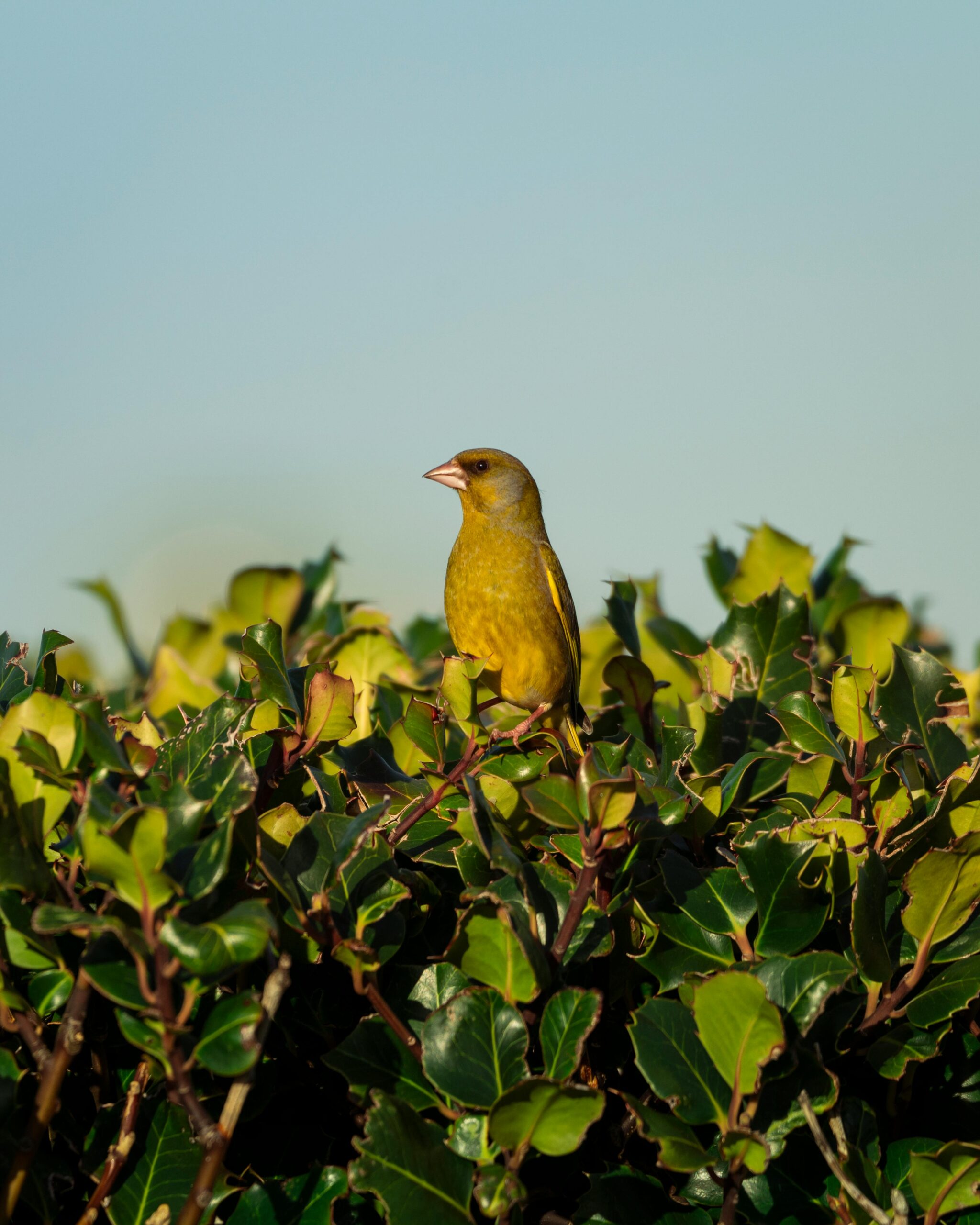
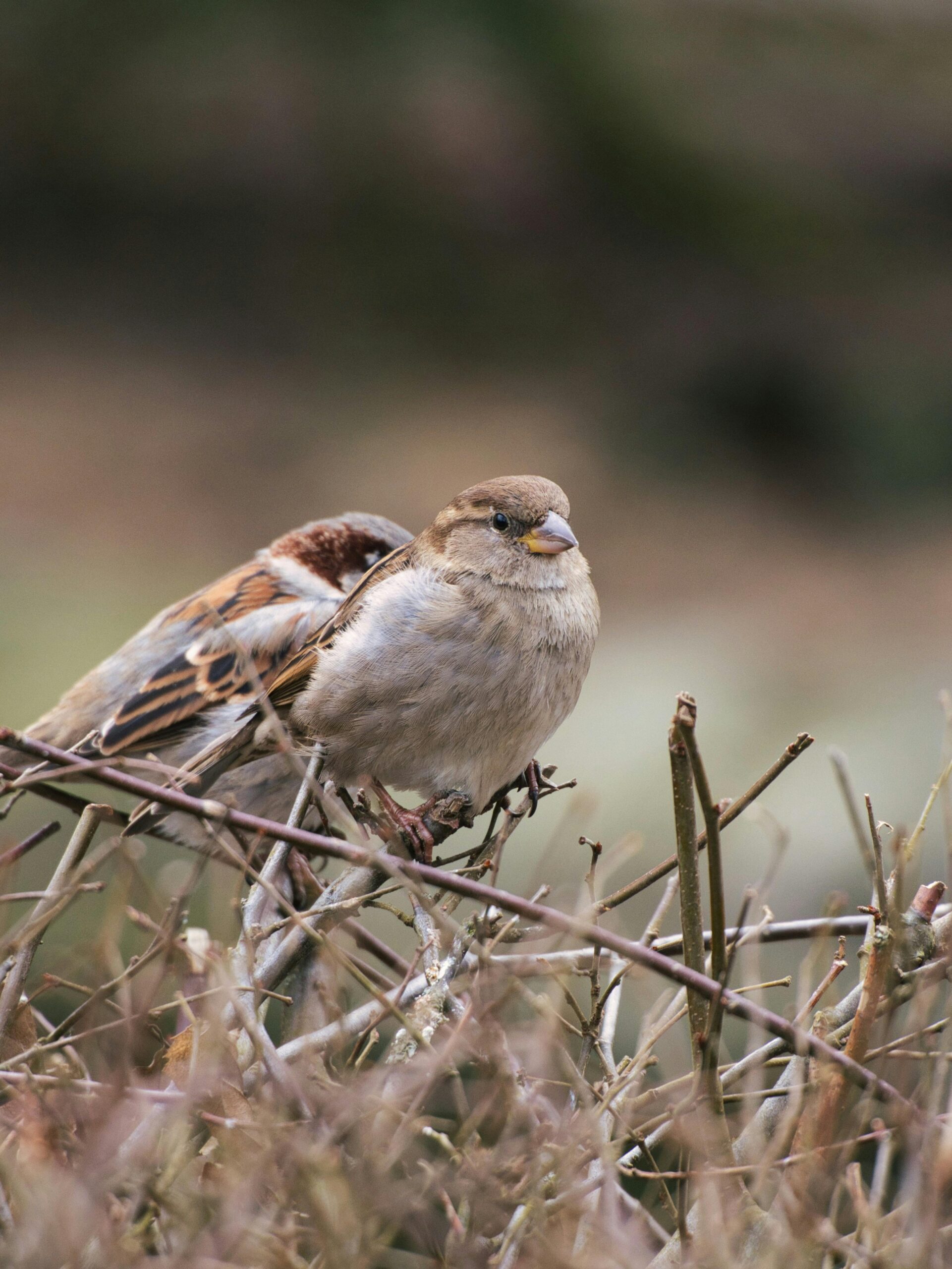
Trees, hedges, and woodland edges provide habitat for birds, insects, and pollinators that support wider farm ecosystems.
Benefits include:
• Pollination support
• Natural pest control – Integrated Pest Management
• Habitat connectivity
• Increased biodiversity resilience
• Seasonal food and shelter for wildlife
Even relatively small planting areas can create valuable habitat networks across farmed landscapes.
Stephen Melville, who farms at Cuplahills Farm, St Andrew shares how his programme of hedge planting is improving the biodiversity of his farm click to watch video.
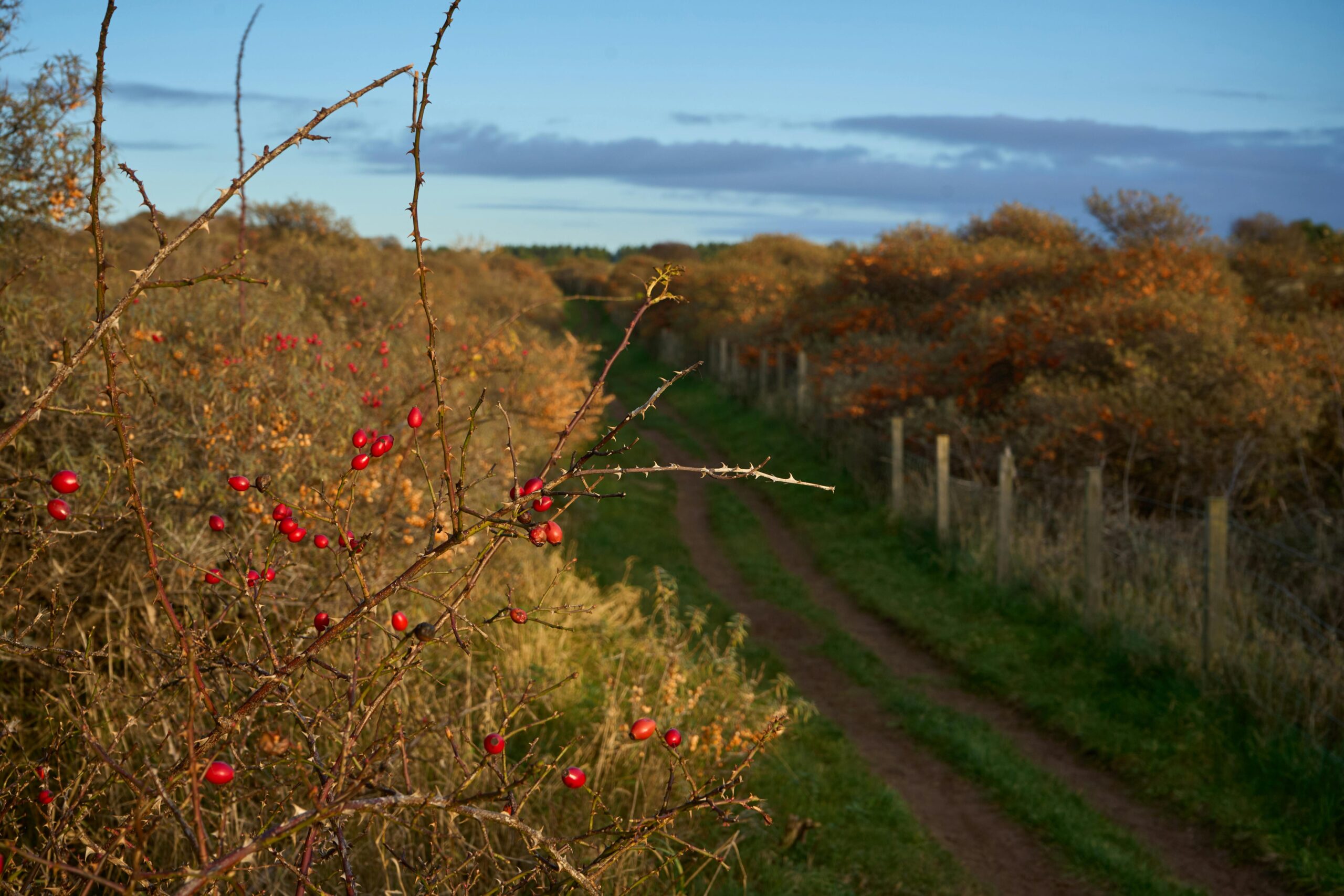
Carbon and Climate Resilience
Trees help farms adapt to changing weather patterns while contributing to climate goals.
Trees can:
• Store carbon
• Improve resilience to drought and heavy rainfall
• Reduce exposure to wind
• Moderate local temperatures
• Support long-term land resilience
Integrated planting can help future-proof productive landscapes.
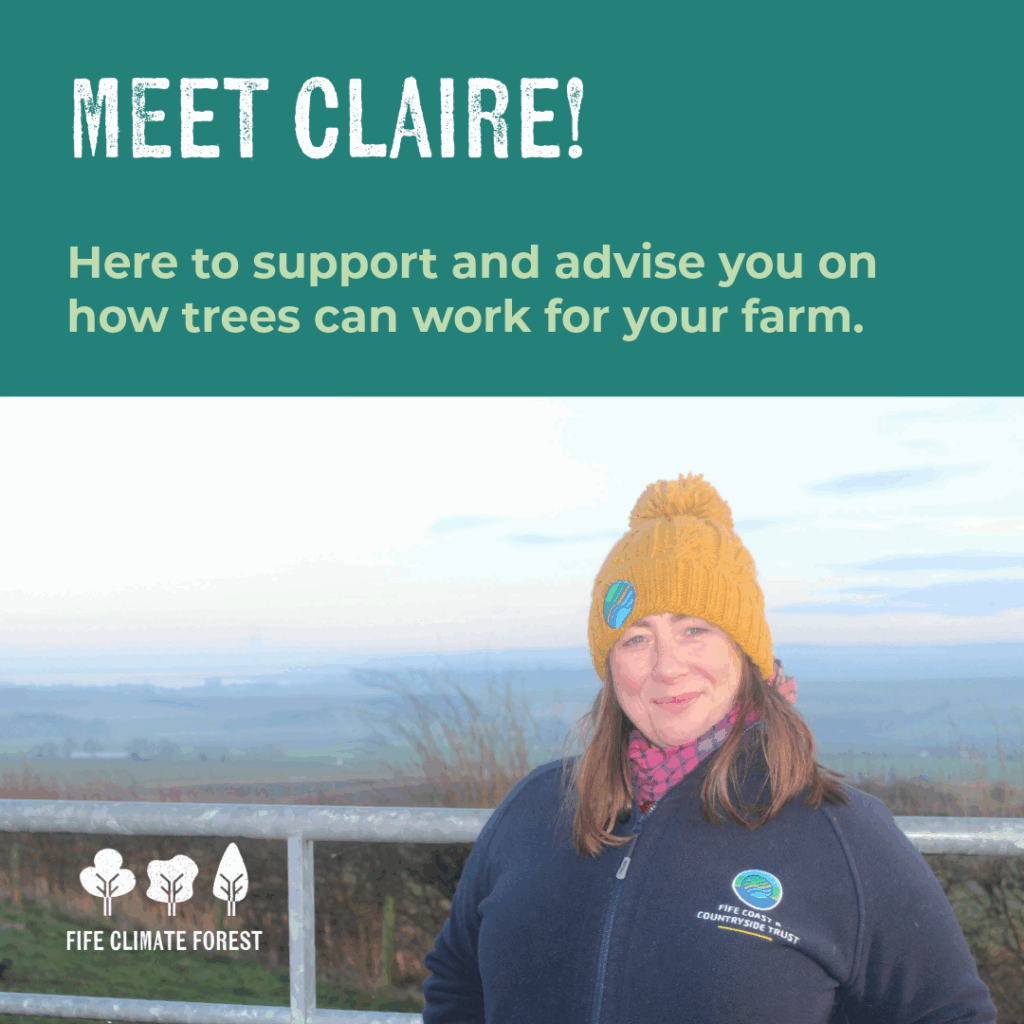
Meet Claire Williams,Fife Climate Forest Manager & Connectivity Lead who is happy to answer any queries that you might have.
Please just drop her an email and find out how trees can work for your land.
Related Projects